An In-Depth Look at Ayurveda’s Most Powerful Cleansing and Rejuvenation Therapy
If you have been researching Ayurveda, natural approaches to wellness, Ayurvedic detox retreats, or ways to step away from chronic stress and restore balance, you have probably come across the word Panchakarma.
But what is Panchakarma, exactly?
Panchakarma is often described as an Ayurvedic detox, but that description only tells part of the story.
Panchakarma is Ayurveda’s traditional system of personalized purification and rejuvenation. Rather than being a single treatment, it is a carefully sequenced process that may include herbalized oil therapies, heat treatments, individualized cleansing procedures, Ayurvedic nutrition, rest, meditation, gentle movement, and recommendations based on each person’s needs.
At The Raj Ayurveda Health Center in Fairfield, Iowa, Panchakarma has been at the heart of our work for more than three decades.
In this complete guide, we explain what Panchakarma is, how it works according to Ayurveda, what treatments may be involved, what you eat, how long a retreat should be, how to prepare, what the research tells us, and how to choose an authentic Panchakarma program.
What Is Panchakarma?
Panchakarma is Ayurveda’s traditional system of individualized purification and rejuvenation.
It is not one massage, one herbal treatment, or one cleansing procedure.
A complete Panchakarma program brings together several elements of Ayurvedic care in a specific sequence. Depending on the individual, this may include:
- An Ayurvedic consultation
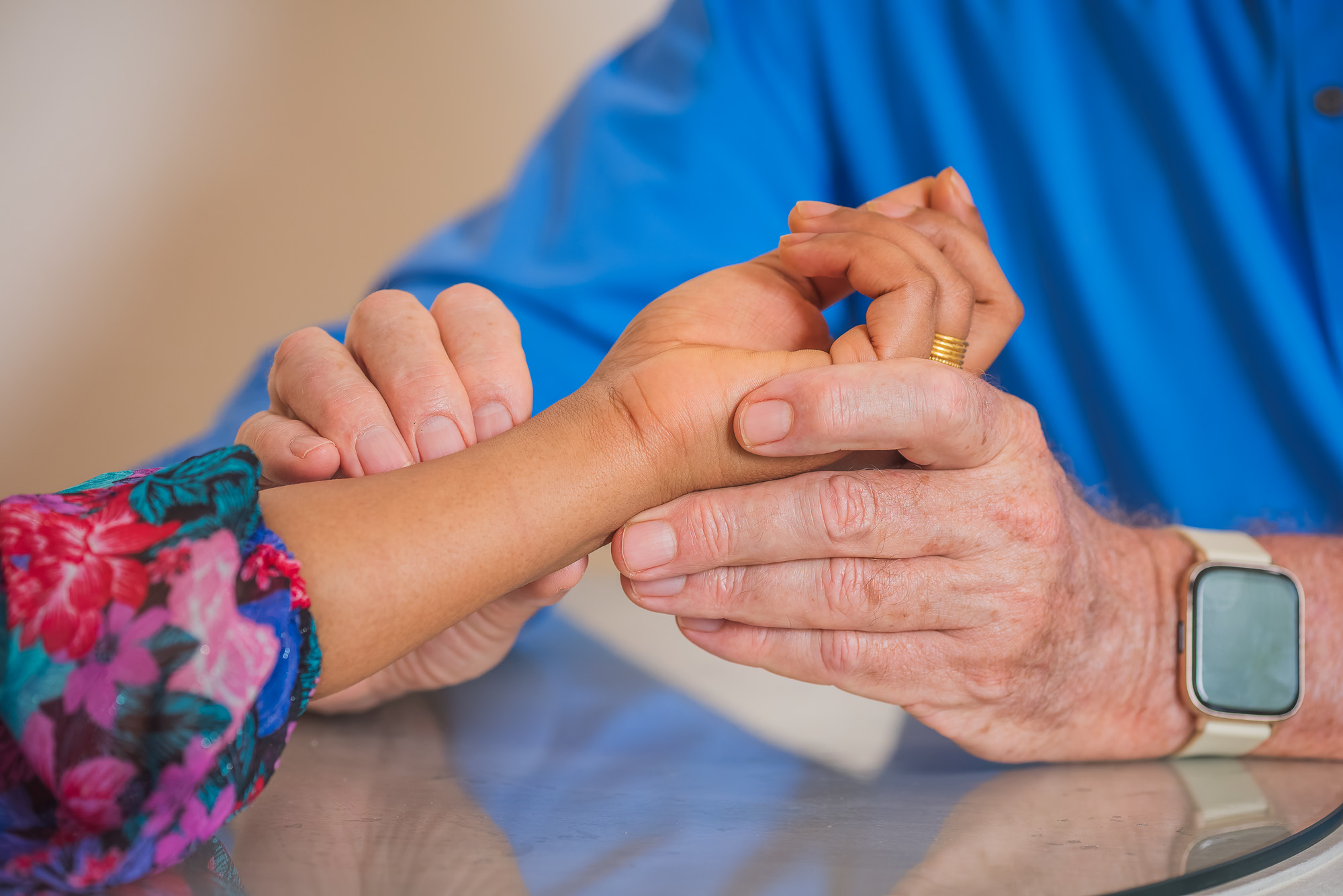
- Ayurvedic pulse assessment
- Herbalized oil treatments
- Heat or steam therapies
- Personalized cleansing procedures
- Simple, nourishing Ayurvedic meals
- Rest
- Meditation
- Gentle yoga or movement when appropriate
- Herbal recommendations when prescribed
- Guidance for the period after Panchakarma
A fundamental principle of Ayurveda is that treatment should be individualized.
Your constitution, current state of balance, digestion, age, strength, health history, stress level, season, and wellness goals may all influence your Panchakarma program.
Two people arriving for Panchakarma at the same time may therefore receive different recommendations.
The question is not simply:
“What Panchakarma treatment is best?”
It is:
“What does this individual need at this particular time?”
That distinction is central to authentic Ayurvedic care.
What Does Panchakarma Mean?
The word Panchakarma comes from Sanskrit.
Pancha means five.
Karma means actions or therapeutic procedures.
Panchakarma therefore literally means “five actions.”
The name refers to a group of classical Ayurvedic purification procedures.
However, Panchakarma is much more than a list of five treatments.
The traditional process includes preparation before purification, the appropriately selected cleansing procedures themselves, and a careful period of recovery and rejuvenation afterward.
For this reason, it is more accurate to think of Panchakarma as a therapeutic process rather than a collection of individual spa treatments.
Is Panchakarma the Same as a Detox?
Panchakarma is frequently called an Ayurvedic detox, especially in modern wellness language.
There are similarities, but Panchakarma is not the same as a typical commercial detox or cleanse.
A modern detox program may focus primarily on restricting food, drinking juices, taking supplements, fasting, or following the same protocol for everyone.
Traditional Panchakarma is different.
It emphasizes:
- Individual Ayurvedic assessment
- Preparation before deeper cleansing
- Personalized treatments
- Support for digestion and elimination
- Adequate nourishment
- Rest
- Attention to the nervous system
- Gradual purification
- Rejuvenation following purification
- Guidance for returning to everyday life
Panchakarma is not designed around the idea that the most aggressive cleanse is automatically the best one.
In Ayurveda, treatment is adjusted to the capacity and needs of the individual.
Sometimes deeper treatment is appropriate.
Sometimes a gentler approach is better.
How Does Panchakarma Work According to Ayurveda?
To understand Panchakarma, it helps to understand several basic concepts in Ayurveda.
The Three Doshas: Vata, Pitta and Kapha
Ayurveda describes three primary organizing principles known as the doshas: Vata, Pitta and Kapha.
Everyone contains all three doshas, but in different proportions.
Vata is traditionally associated with movement, circulation, communication, the nervous system, breathing, and elimination.
Pitta is traditionally associated with transformation, metabolism, digestion, and heat.
Kapha is traditionally associated with structure, stability, lubrication, nourishment, and endurance.
Ayurvedic practitioners consider both a person’s underlying constitution and their current state of balance when making recommendations.
What Is Agni?
Agni is commonly translated as digestive fire.
In Ayurveda, digestion refers not only to breaking down food but to the body’s broader capacity to digest, absorb, transform, and appropriately use what it receives.
Supporting healthy digestion is therefore an important part of Panchakarma.
What Is Ama?
Another term frequently associated with Panchakarma is ama.
Within Ayurvedic theory, ama refers to material that has not been completely processed or metabolized.
It is traditionally associated with sluggish digestion, heaviness, congestion, coating, and imbalance.
Ama is sometimes translated simply as “toxins,” but the concepts are not identical.
Ama belongs to Ayurveda’s traditional understanding of physiology and should not automatically be equated with one specific modern chemical or laboratory measurement.
What Are the Three Stages of Panchakarma?
A traditional Panchakarma program generally unfolds in three broad stages.
1. Purvakarma: Preparation
Purvakarma refers to the preparatory stage before the main purification procedures.
Depending on the person, preparation may involve:
- Dietary changes
- Internal or external oleation
- Herbalized oils
- Abhyanga
- Heat or steam therapies
- Supporting digestion
- Supporting healthy elimination
- Simplifying the daily routine
- Increased rest
According to Ayurveda, this stage prepares the body for the cleansing process that follows.
Preparation is one reason authentic Panchakarma is different from simply performing an isolated cleansing treatment.
2. Pradhanakarma: The Main Purification Phase
The main phase involves cleansing procedures selected according to the individual’s needs, strength, constitution, and current state of health.
Not everyone receives every classical Panchakarma procedure.
Individualization is essential.
3. Paschatkarma: Recovery and Rejuvenation
The period after purification is considered an important part of Panchakarma.
Food and ordinary activity are gradually reintroduced while digestion and strength are supported.
Post-Panchakarma care may include:
- A gradually expanding diet
- Rest
- Herbal recommendations
- Rejuvenative therapies
- Meditation
- Gentle yoga
- Sleep recommendations
- Daily routine guidance
- Lifestyle recommendations for returning home
In other words, Panchakarma does not simply end when the final treatment is completed.
Recovery is part of the process.
What Are the Five Classical Panchakarma Therapies?
Classical Ayurvedic traditions describe five primary purification procedures.
You may notice variations in how different Ayurvedic texts and traditions classify them, but the commonly discussed therapies include the following.
Vamana
Vamana is a specialized therapeutic procedure traditionally involving controlled emesis.
It is not appropriate for everyone and should only be used when specifically indicated and professionally supervised.
Virechana
Virechana is a controlled purgative therapy used within Ayurveda to facilitate elimination through the gastrointestinal tract.
Basti
Basti is the Ayurvedic therapeutic administration of specially prepared herbal decoctions or oils rectally.
Different forms of basti may be used depending on the individual’s needs.
Basti holds a particularly important place in classical Ayurvedic medicine.
Nasya
Nasya involves the therapeutic administration of specially selected Ayurvedic preparations through the nasal passages.
Raktamokshana
Raktamokshana refers to traditional blood purification or bloodletting techniques described in classical Ayurveda.
Some traditional classifications count different forms of basti separately rather than including Raktamokshana among the five primary therapies.
The important point is that Panchakarma is not a checklist of five procedures that every guest must receive.
Treatments are selected based on the individual.
What Treatments Are Commonly Used During Panchakarma?
Some of the best-known Ayurvedic therapies associated with Panchakarma are supportive or preparatory treatments rather than one of the five classical cleansing actions themselves.
These treatments may still play an important role in a Panchakarma program.
Abhyanga
Abhyanga is the application of warm herbalized oil to the body using therapeutic, rhythmic strokes.
Depending on the tradition and prescribed treatment, it may be performed by one or more trained technicians.
For many guests, Abhyanga is deeply soothing.
Within Ayurveda, however, oil is used for more than relaxation. Oleation has traditionally played an important role in preparing and supporting the body during Panchakarma.
Swedana
Swedana refers broadly to Ayurvedic heat or sweating therapies.
It is often used following oleation and may support warmth, circulation, relaxation, and the preparatory process described in Ayurveda.
Shirodhara
Shirodhara is one of the most recognizable Ayurvedic therapies.
During Shirodhara, a gentle and continuous stream of warm oil is directed over the forehead.
Many people experience the treatment as deeply calming.
Shirodhara, however, is not synonymous with Panchakarma.
It is an individual Ayurvedic therapy that may be incorporated into a larger program when appropriate.
Personalized Herbalized Oil Therapies
Ayurveda uses different oils, herbs, treatment methods, and applications based on the individual.
The purpose is not to give every person exactly the same treatment.
The oils and therapies used during authentic Panchakarma should be selected with intention.
What Happens During a Panchakarma Retreat?
A properly structured Panchakarma retreat begins with understanding the individual.
At The Raj, Panchakarma is personalized according to each guest’s Ayurvedic assessment, health history, current concerns, strength, and wellness goals.
A residential Panchakarma experience may include:
- Individual Ayurvedic consultation
- Ayurvedic pulse assessment
- Personalized treatment recommendations
- Herbalized oil therapies
- Cleansing procedures when appropriate
- Organic vegetarian meals
- Meditation
- Gentle yoga when appropriate
- Ayurvedic education
- Walking and time in nature
- Quiet personal time
- Significant periods of rest
- Recommendations for continuing at home
One of the most important aspects of a residential Panchakarma retreat is something that is easy to overlook:
time.
For a period of days or weeks, the normal cycle of commuting, appointments, cooking, errands, phone calls, deadlines, screens, and everyday responsibilities is interrupted.
The environment is intentionally different from ordinary life.
That space for rest is part of what makes a residential Panchakarma experience different from receiving an occasional Ayurvedic treatment at home.
What Does a Typical Day During Panchakarma Look Like?
Every person’s schedule can vary, but a day during a residential Panchakarma retreat might include:
Morning
- Meditation or quiet personal practice
- A light breakfast when appropriate
- Personalized Ayurvedic treatments
Midday
- Organic vegetarian lunch
- Rest
- A quiet walk or time in nature
Afternoon
- Additional rest
- Gentle yoga when offered and appropriate
- Reading or meditation
- Ayurvedic consultation or educational programming when scheduled
Evening
- A lighter dinner
- Quiet activity
- Meditation
- Early rest
What is intentionally missing is a packed itinerary.
Panchakarma is one of the rare retreat experiences where doing less can be an important part of the process.
What Do You Eat During Panchakarma?
Food is an integral part of Panchakarma.
Meals are typically designed to be:
- Freshly prepared
- Warm
- Vegetarian
- Relatively simple
- Easy to digest
- Appropriate for the treatment stage
- Supportive of the individual
At The Raj, guests receive organic vegetarian meals prepared according to Ayurvedic principles.
Ayurveda looks at food differently from a standard calorie-based approach.
Considerations may include:
- Digestive strength
- Constitution
- Current imbalance
- Season
- Treatment stage
- Meal timing
- Food combinations
- How easily a meal can be digested
During deeper stages of purification, meals may become intentionally simpler so that the digestive system is not unnecessarily burdened.
Do You Fast During Panchakarma?
Not necessarily.
Panchakarma should not automatically be equated with fasting.
The amount and type of food appropriate during treatment depends on the individual and the stage of the program.
Aggressive fasting may be inappropriate for some people.
The aim is to support purification while also respecting the body’s need for nourishment and stability.
How Long Should Panchakarma Be?
One of the most common questions is:
How many days of Panchakarma do I need?
There is no single answer that applies to everyone.
Traditional Panchakarma programs can extend for several weeks. Modern residential programs often provide different lengths so the experience can be matched to the individual’s goals, health, available time, and recommended depth of treatment.
At The Raj, Panchakarma retreat options include 5, 7, 14, and 21 days.
5-Day Panchakarma Retreat
A five-day stay can provide a meaningful introduction to Panchakarma for someone with limited time.
It offers the opportunity to step away from everyday life and experience individualized Ayurvedic care, treatments, nourishing meals, and deep rest.
7-Day Panchakarma Retreat
Seven days provides more time for the body and mind to settle into the experience.
At The Raj, seven days is generally recommended as the minimum stay for guests seeking a fuller Panchakarma experience.
The additional time allows for more treatment, rest, purification, and integration.
14-Day Panchakarma Retreat
A two-week Panchakarma retreat provides considerably more space for the process to unfold.
A longer stay may be appropriate for people seeking deeper restoration or working with more established patterns of imbalance.
21-Day Panchakarma Retreat
A 21-day Panchakarma retreat offers the most time for preparation, individualized treatments, purification, deep rest, and rejuvenation.
For guests who have the time and for whom a longer program is considered appropriate, three weeks allows the process to unfold gradually.
Is Longer Panchakarma Always Better?
No.
The ideal length depends on the person.
Age, physical strength, health history, goals, current state of balance, available time, and treatment recommendations should all be considered.
Choosing the longest retreat is not automatically choosing the best retreat.
The goal is to select the most appropriate Panchakarma experience for the individual.
What Are the Potential Benefits of Panchakarma?
People come to Panchakarma for many different reasons.
Some feel depleted after prolonged periods of stress.
Some want time for deep rest and renewal.
Some are interested in Ayurveda as a preventive approach to wellbeing.
Others want to establish healthier routines or explore complementary approaches while managing long-standing health concerns.
Depending on the individual, people may seek Panchakarma to support:
- Deep relaxation
- Stress reduction
- Rest and recovery
- Healthy digestion
- Healthy elimination
- Energy and vitality
- Mental clarity
- More supportive daily routines
- A greater feeling of balance
- Healthy aging
- Resilience
- Recovery after prolonged periods of overwork
- Reconnection with the body
- Long-term lifestyle change
Individual experiences vary.
Panchakarma should not be presented as a guaranteed cure for disease or as a replacement for necessary medical treatment.
The broader Ayurvedic goal is to support balance and create favorable conditions for the body’s natural regulatory processes.
What Does the Research Say About Panchakarma?
Scientific research specifically examining Panchakarma is still limited compared with many conventional medical interventions, and larger, well-controlled studies are needed.
One frequently cited published study examined an Ayurvedic purification procedure that included Panchakarma.
The research included both cross-sectional and longitudinal investigations.
In the longitudinal portion, researchers measured levels of several fat-soluble environmental compounds before and after the Ayurvedic purification program.
They reported average reductions of:
46% in measured PCB levels
and
58% in beta-HCH
following the treatment period.
The Panchakarma treatments evaluated in this study were conducted at The Raj Ayurveda Health Center in Iowa.
The study, Lipophil-Mediated Reduction of Toxicants in Humans: An Evaluation of an Ayurvedic Detoxification Procedure, by Robert E. Herron, PhD, and John B. Fagan, PhD, was published in Alternative Therapies in Health and Medicine in 2002.
The findings are noteworthy, but they should be interpreted within the size and design of the study.
They should not be understood as evidence that Panchakarma removes every type of environmental substance or “toxin” from the body.
Continued scientific investigation is important.
Why Responsible Language About “Detox” Matters
The human body already has sophisticated systems involved in processing and eliminating substances, including the liver, kidneys, gastrointestinal tract, lungs, and other tissues.
Panchakarma should not be described as replacing those systems.
A more accurate description is that Panchakarma is a comprehensive Ayurvedic approach to purification and rejuvenation involving therapeutic procedures, nutrition, rest, elimination, and lifestyle practices.
Traditional Ayurvedic concepts and modern biomedical concepts do not always describe human physiology using the same language.
Both deserve to be represented accurately.
Who Is Panchakarma For?
Panchakarma may be of interest to people who:
- Feel chronically stressed or depleted
- Want a structured period of deep rest
- Are interested in Ayurveda
- Want to reset unsupportive routines
- Are interested in preventive wellness
- Want individualized wellness recommendations
- Are moving through a demanding period of life
- Want to support healthy aging
- Are recovering from an exceptionally stressful period
- Want something more comprehensive than a conventional spa retreat
People also seek Ayurvedic care while experiencing many different health concerns.
Panchakarma should complement appropriate healthcare rather than replace medically necessary diagnosis or treatment.
Is Panchakarma Safe?
Panchakarma should be undertaken thoughtfully and with qualified professional guidance.
Because authentic Panchakarma may involve dietary changes, herbal preparations, therapeutic oils, and cleansing procedures, not every treatment is appropriate for every person.
Factors that can affect treatment recommendations include:
- Age
- Pregnancy
- Physical strength
- Current medications
- Acute illness
- Recent medical procedures
- Digestive health
- Cardiovascular health
- Metabolic conditions
- Medical history
- Current medical treatment
Guests should disclose relevant diagnoses, medications, supplements, and health history before beginning treatment.
Do not discontinue prescription medication because you are beginning an Ayurvedic program unless the prescribing healthcare professional has advised you to do so.
Panchakarma is not a replacement for emergency care or medically necessary conventional treatment.
Can You Do Panchakarma While Taking Medication?
In some cases, yes.
Whether a particular Panchakarma program is appropriate should be evaluated individually.
Your Ayurvedic practitioner should know which medications and supplements you take.
Prescription medications should not be stopped or changed without consultation with the healthcare professional responsible for prescribing them.
How Do You Prepare for Panchakarma?
The Panchakarma experience often begins before arrival.
Individual instructions may vary, but several general principles can help prepare for a residential retreat.
Simplify Your Schedule
Whenever possible, create more space in the days before Panchakarma.
Arriving immediately after an extremely demanding workweek, several sleepless nights, or stressful travel can make the transition more difficult.
Simplify Your Food
Your Ayurvedic practitioner may provide specific dietary guidance before arrival.
In general, reducing unusually heavy meals and following the preparation instructions you receive can make the transition into treatment easier.
Reduce Unnecessary Stimulation
Consider creating a quieter routine before your retreat.
Reducing late-night screen time and unnecessary commitments can begin the transition away from the pace of everyday life.
Share Your Health History
Accurate health information allows your Ayurvedic team to make more appropriate recommendations.
Create Space to Actually Rest
Try not to plan a major work project that you intend to complete between Panchakarma treatments.
The quiet time is not an empty space that needs to be filled.
It is part of the retreat.
Should You Exercise During Panchakarma?
Intensive exercise is generally not consistent with the restorative nature of Panchakarma.
Gentle walking, stretching, or yoga may be appropriate depending on the person and the stage of treatment.
Follow the recommendations of the practitioners overseeing your program.
Can You Work During Panchakarma?
You may be physically capable of answering emails and taking calls during a Panchakarma retreat.
That does not necessarily mean it is the best use of the experience.
One of the benefits of residential Panchakarma is the opportunity to step temporarily outside the normal demands of work and everyday responsibilities.
Reducing work as much as reasonably possible gives you more space for treatment, rest, and recovery.
What Happens After Panchakarma?
The period following Panchakarma matters.
Ayurveda traditionally recommends a gradual transition back into ordinary food, activity, and routine.
Post-Panchakarma recommendations may address:
- Food
- Meal timing
- Digestion
- Sleep
- Exercise
- Meditation
- Herbs
- Daily routines
- Stress management
- Seasonal practices
- Self-massage
- Travel
- Follow-up care
The goal is to carry useful elements of the retreat into everyday life rather than treating Panchakarma as an isolated event.
What Should You Eat After Panchakarma?
Food is generally reintroduced gradually following deeper purification.
Individual recommendations vary, but warm, freshly prepared, easily digestible meals are often emphasized during the transition.
Your Ayurvedic practitioner can provide specific guidance based on your program and digestive strength.
Immediately returning to unusually heavy food, overeating, or other habits that place significant demands on digestion may work against the purpose of the recovery period.
Can You Do Panchakarma at Home?
Some gentle Ayurvedic self-care practices can certainly be incorporated into life at home.
These might include:
- Self-Abhyanga when appropriate
- Simple Ayurvedic meals
- Meditation
- Consistent daily routines
- Adequate sleep
- Gentle seasonal practices
However, this is not the same as performing a complete Panchakarma program yourself.
Traditional cleansing procedures require appropriate assessment, sequencing, treatment selection, and professional supervision.
A short “DIY Panchakarma” found online is therefore very different from an individualized residential Panchakarma program.
What Is the Best Time of Year for Panchakarma?
Ayurveda places considerable importance on seasonal change.
Traditionally, transitional periods of the year are considered particularly appropriate times for purification, which is why spring and fall are popular seasons for Panchakarma.
However, Panchakarma can be recommended at different times of the year depending on the individual.
The best time is also practical.
Ideally, you should be able to devote enough time to prepare, experience the retreat without excessive outside obligations, and transition gradually back into everyday life afterward.
How Often Should You Do Panchakarma?
There is no universal schedule.
Some people incorporate Panchakarma periodically into a long-term Ayurvedic lifestyle.
Others may undertake it during a specific period of stress, transition, or personal renewal.
How frequently Panchakarma is appropriate depends on factors including age, strength, constitution, current health, goals, and the recommendations of an experienced Ayurvedic practitioner.
Panchakarma vs. an Ayurvedic Spa Treatment
The difference is important.
An Ayurvedic spa treatment may consist of one or several therapies such as Abhyanga or Shirodhara.
These treatments can provide a valuable introduction to Ayurveda.
Panchakarma is different.
It is a coordinated program that may involve assessment, preparation, multiple treatments, purification, specialized nutrition, substantial rest, and post-treatment guidance.
Receiving a Shirodhara treatment does not mean someone has completed Panchakarma.
Panchakarma vs. an Ayurveda Retreat
The term Ayurveda retreat can describe many different experiences.
Some retreats emphasize yoga, meditation, food, education, or relaxation.
Others offer Ayurvedic consultations and spa treatments.
A Panchakarma retreat is specifically structured around Ayurveda’s traditional process of purification and rejuvenation.
If Panchakarma is your primary reason for traveling, it is important to ask exactly what a center’s program includes rather than relying solely on the word “Ayurveda” in its name.
How Do You Choose an Authentic Panchakarma Retreat?
As interest in Ayurveda grows, more spas, resorts, and wellness centers are using Ayurvedic terminology.
Programs can vary considerably.
If you are considering a Panchakarma retreat, ask the following questions.
Is the Program Individualized?
Authentic Panchakarma should not be identical for every guest.
Is There an Experienced Ayurvedic Practitioner Involved?
There should be appropriate assessment and professional oversight.
What Treatments Are Actually Included?
Ask what the therapies are, why they are being used, and whether they are selected individually.
Does the Program Include Preparation?
Panchakarma is a process. Jumping directly into an isolated cleansing procedure does not represent the complete traditional approach.
Does the Program Include Post-Treatment Guidance?
Recovery and rejuvenation are part of Panchakarma.
Are Meals Designed to Support Panchakarma?
Food should complement the treatment process.
Does the Environment Support Deep Rest?
A busy resort filled with excursions and entertainment may provide a wonderful vacation, but it may not provide the quiet environment traditionally associated with Panchakarma.
How Many Guests Does the Center Accommodate?
A smaller number of guests can make deeply individualized care easier.
How Much Experience Does the Center Have With Panchakarma?
Ask how long the center has provided Panchakarma and how central Ayurvedic care is to its work.
Are Health Claims Presented Responsibly?
Be cautious about programs promising guaranteed cures or extraordinary results for every person.
Authentic healing traditions deserve more than miracle marketing.
Can You Experience Authentic Panchakarma in the United States?
Yes.
Traveling to India is not the only way to experience a comprehensive residential Panchakarma program.
The Raj Ayurveda Health Center in Fairfield, Iowa was purpose-built for Ayurvedic care and has specialized in residential Panchakarma for decades.
For guests living in the United States and Canada, experiencing Panchakarma closer to home can also reduce some of the demands associated with international travel, major time-zone changes, and long-distance travel immediately before and after treatment.
Panchakarma at The Raj Ayurveda Health Center
The Raj was created in Fairfield, Iowa as a dedicated center for authentic Ayurvedic care and Panchakarma.
The 36,000-square-foot health center is surrounded by approximately 100 acres of peaceful Iowa countryside.
Rather than functioning as a large conventional resort, The Raj welcomes a limited number of guests so that treatment can remain highly personalized.
A residential Panchakarma retreat at The Raj may include:
- Individual Ayurvedic consultation
- Ayurvedic pulse assessment
- Personalized Panchakarma treatments
- Herbalized oil therapies
- Cleansing treatments when prescribed
- Organic vegetarian meals
- Meditation
- Gentle yoga when appropriate
- Ayurveda lectures and education
- Peaceful accommodations
- Time for rest and nature
- Individual recommendations for returning home
The Raj was also designed according to principles of Vastu, the traditional Indian system of architecture and orientation intended to support harmony between people, buildings, and the natural environment.
Every treatment technician at The Raj practices Transcendental Meditation®, contributing to the quiet and settled environment of the center.
Panchakarma is not simply one service on a long spa menu at The Raj.
It is at the heart of why The Raj exists.
Choosing a 5-, 7-, 14-, or 21-Day Panchakarma Retreat
Still wondering how long to stay?
Here is a simple way to begin thinking about the options.
Choose 5 Days If:
You have limited time and want a meaningful introduction to residential Panchakarma.
Choose 7 Days If:
You want a fuller Panchakarma experience with additional time for treatment, rest, purification, and integration.
Consider 14 Days If:
You are seeking a more comprehensive period of restoration and want more time for the Panchakarma process to unfold.
Consider 21 Days If:
You have the time for an extended retreat and your Ayurvedic team considers a longer program appropriate for your needs and goals.
There is no prize for choosing the longest program.
The best Panchakarma retreat is the one that is appropriate for you.
Frequently Asked Questions About Panchakarma
What is Panchakarma in simple terms?
Panchakarma is Ayurveda’s traditional system of individualized purification and rejuvenation. It may combine preparatory therapies, personalized cleansing procedures, Ayurvedic nutrition, rest, and post-treatment recovery.
What does Panchakarma mean?
Panchakarma means “five actions” in Sanskrit and refers to a group of traditional Ayurvedic purification procedures.
Is Panchakarma just a detox?
No. Panchakarma is often described as an Ayurvedic detox, but the full process also involves preparation, digestion, elimination, rest, rejuvenation, nutrition, and individualized lifestyle guidance.
What happens during Panchakarma?
Depending on your individual program, Panchakarma may include Ayurvedic consultations, herbalized oil therapies, heat treatments, cleansing procedures, specialized meals, meditation, rest, and post-treatment recommendations.
How many days is Panchakarma?
Panchakarma programs vary from several days to several weeks. The Raj offers 5-, 7-, 14-, and 21-day residential Panchakarma retreats.
Is five days enough for Panchakarma?
A five-day retreat can provide a meaningful introduction when a longer stay is not possible. A seven-day or longer stay provides additional time for treatment, purification, rest, and rejuvenation.
What is a Panchakarma diet?
A Panchakarma diet generally emphasizes freshly prepared, warm, relatively simple, and easily digestible foods. Meals may be adjusted according to the individual and stage of treatment.
Can you lose weight during Panchakarma?
Body weight may change when food intake, digestion, activity, and daily routine change. However, Panchakarma is not intended to function as a crash weight-loss program.
Is Panchakarma good for stress?
Deep rest, a quieter environment, meditation, structured routines, and many of the treatments associated with Panchakarma may be particularly appealing to people experiencing prolonged stress. Individual results vary.
Can I do Panchakarma at home?
Gentle Ayurvedic self-care can be practiced at home, but complete Panchakarma cleansing procedures should not be attempted without appropriate professional guidance.
Is Panchakarma relaxing?
Many guests find Ayurvedic oil therapies and the retreat environment deeply relaxing. Panchakarma, however, is a more comprehensive therapeutic process than a conventional relaxation retreat.
Can I work during Panchakarma?
You may be able to perform some work, but reducing work and outside obligations allows more time for treatment, rest, and recovery.
Is Panchakarma safe for everyone?
No treatment is appropriate for everyone. Age, pregnancy, physical strength, medications, medical history, and current health should be considered before Panchakarma.
Is Panchakarma scientifically proven?
Scientific research on Panchakarma is growing but remains limited. Some published studies have reported noteworthy findings, including changes in measured levels of certain fat-soluble environmental compounds, but more high-quality research is needed.
What is the difference between Panchakarma and Shirodhara?
Shirodhara is one individual Ayurvedic treatment involving a continuous stream of warm oil over the forehead. Panchakarma is an individualized purification and rejuvenation program that may include numerous therapies. Shirodhara may be included when appropriate.
Where can I do Panchakarma in the United States?
The Raj Ayurveda Health Center in Fairfield, Iowa specializes in residential Panchakarma and has provided Ayurvedic care for decades.
Is Panchakarma Right for You?
For many people, the challenge is not recognizing that they need rest.
The challenge is creating the conditions in which deep rest can actually happen.
Panchakarma offers something that has become increasingly rare: dedicated time away from ordinary demands, individualized Ayurvedic care, nourishing food, therapeutic treatments, quiet surroundings, and space to turn attention inward.
Ayurveda teaches that health is not simply something imposed on the body from the outside.
The body is continuously working toward balance.
At The Raj, our philosophy is simple:
Your body already knows how to heal.
We help it remember.
Begin Your Panchakarma Journey
If you are considering Panchakarma and are unsure whether a 5-, 7-, 14-, or 21-day retreat is right for you, our team can help you understand your options and choose an appropriate next step.
Explore Our Panchakarma Retreats
Book a Discovery Call
Or call 1-800-864-8714 to speak with our team.