Ayurvedic treatment is an approach to health and well-being that looks at the whole person rather than focusing on individual symptoms alone. Rooted in India’s traditional system of medicine, Ayurveda uses personalized therapies, nutrition, daily routines, herbal preparations, and purification practices to support balance in the body and mind.
You may have heard of Ayurvedic treatments such as warm oil massage, Shirodhara, or Panchakarma. But Ayurveda extends far beyond the treatment table. Its central principle is that each person has a unique constitution, and what is beneficial for one individual may not be appropriate for another.
Whether you’re interested in a single relaxing treatment or a more comprehensive Ayurvedic program, understanding the different approaches can help you make an informed choice.
What Is an Ayurvedic Treatment?
An Ayurvedic treatment is a traditional therapeutic practice selected according to a person’s constitution, current state of balance, lifestyle, and individual needs. Treatments may include herbalized oil massage, specialized therapies, dietary changes, herbal preparations, meditation, and traditional purification procedures.
In Ayurveda, health is understood through the relationship between the body, mind, digestion, daily habits, and environment. Rather than applying the same treatment to everyone, practitioners seek to understand the individual and recommend appropriate ways to support well-being.
This personalized approach is guided by the three doshas: Vata, Pitta, and Kapha. These are traditional Ayurvedic principles used to describe patterns and qualities associated with physiological and psychological functioning. They are not equivalent to modern medical diagnoses or scientifically established biological categories.
If you’re new to these ideas, our guide to what Ayurveda is and how its principles work offers a useful introduction.
What Are the Different Types of Ayurvedic Treatments?
Ayurvedic treatment is not one specific procedure. It encompasses several complementary approaches, ranging from external therapies and lifestyle guidance to more involved traditional purification programs.
The following are among the most recognized types of Ayurvedic treatment.
1. Abhyanga: Ayurvedic Warm Oil Massage
Abhyanga is a traditional Ayurvedic massage in which warm oils are applied to the body using rhythmic, flowing movements. The oils and technique may be selected according to the person’s individual needs and Ayurvedic assessment.
Unlike many conventional massages that focus primarily on muscle tension, Abhyanga is traditionally understood as a nourishing treatment for the entire body. Many people experience it as deeply soothing, especially when combined with an opportunity to rest afterward.
At The Raj Ayurveda Health Center, Abhyanga is traditionally performed by two trained technicians working in synchronized movements. The treatment can be experienced individually or as part of a personalized Panchakarma program.
2. Shirodhara: A Continuous Flow of Warm Oil
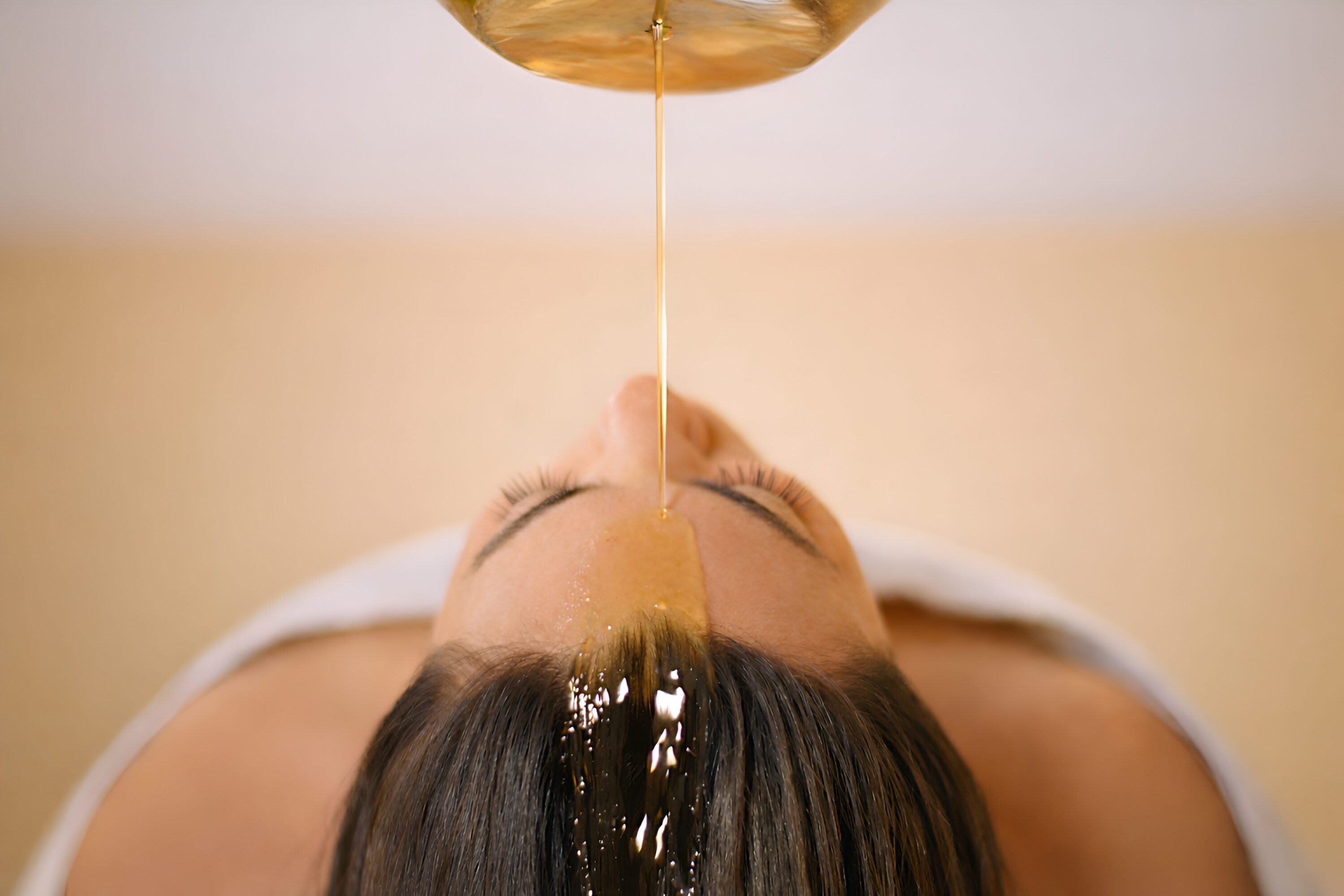
Shirodhara is one of Ayurveda’s most recognizable treatments. During the procedure, a gentle, continuous stream of warm oil is directed across the forehead while the recipient rests comfortably.
The steady flow and quiet environment create a distinctive experience that many people find deeply calming. In traditional Ayurveda, Shirodhara is associated with settling the mind and promoting rest.
Although preliminary research has explored its effects on relaxation, sleep, and physiological responses, larger, rigorous studies are needed to establish specific clinical benefits.
Shirodhara is often offered alongside Abhyanga, combining a full-body oil massage with a period of quiet, focused relaxation.
3. Swedana: Traditional Herbal Steam Therapy
Swedana refers to the therapeutic application of warmth or steam. In some Ayurvedic programs, herbalized steam is used after an oil treatment as part of a broader sequence of traditional therapies.
At The Raj, the herbal steam treatment uses specialized equipment designed to warm the body while allowing the head to remain cooler.
According to classical Ayurvedic principles, oil application and heat are used together to prepare the body for subsequent purification procedures. These traditional explanations should not be confused with proven medical claims about eliminating specific toxins through sweating.
Steam treatments are not appropriate for everyone. Individuals with certain cardiovascular conditions, heat intolerance, dehydration, or other medical concerns should seek professional advice before undergoing them.
4. Pinda Swedana: Nourishing Herbal Applications
Pinda Swedana is a traditional therapy involving warmed herbal preparations applied to the body, often using soft bundles or specialized massage techniques. Different formulations and methods are used depending on the therapeutic tradition and the individual’s needs.
At The Raj, a nourishing variation uses a mixture of milk, oils, herbs, and rice. The treatment is incorporated into personalized care when considered appropriate by the Ayurvedic team.
The combination of warmth, touch, and nourishing ingredients gives Pinda Swedana a different experience from a conventional massage. Its traditional role is primarily one of nourishment and rejuvenation, although specific medical effects have not been firmly established through clinical research.
5. Ayurvedic Diet and Lifestyle Recommendations
Not all Ayurvedic treatments involve physical therapies. Nutrition and daily routine are central parts of Ayurvedic care and are frequently recommended alongside other practices.
Traditional Ayurvedic dietary guidance considers factors such as digestion, meal timing, seasonal changes, and the qualities of different foods. Recommendations are individualized rather than based on a single diet intended for everyone.
Lifestyle guidance may also address sleep routines, physical activity, relaxation, meditation, and adapting daily habits to changing seasons.
These practices can give individuals a way to bring some of the principles of Ayurveda into everyday life. However, Ayurvedic dietary recommendations should be adapted to individual nutritional and medical needs, particularly when someone has a diagnosed condition or requires a therapeutic diet.
6. Ayurvedic Herbs and Traditional Preparations
Herbs and botanical preparations have a long history of use in Ayurveda. Traditional practitioners may recommend particular combinations based on an individual’s constitution and wellness goals.
Herbal approaches are not interchangeable with professional medical treatment. The safety and effectiveness of a product depend on its ingredients, manufacturing quality, dose, and possible interactions with medications.
Some Ayurvedic preparations have been found to contain harmful levels of heavy metals, including lead, mercury, and arsenic. For this reason, products should be obtained from trustworthy sources, and anyone taking medications, managing a medical condition, or who is pregnant or breastfeeding should consult an appropriate healthcare professional before using them.
Ayurvedic Treatments at a Glance
| Treatment | What it involves | Traditional purpose |
|---|---|---|
| Abhyanga | Warm herbalized oil massage | Nourishment, balance, and relaxation |
| Shirodhara | Gentle flow of warm oil across the forehead | Quieting the mind and encouraging rest |
| Swedana | Herbal steam or warming treatment | Preparation for traditional purification |
| Pinda Swedana | Warm herbal and nourishing applications | Nourishment and rejuvenation |
| Diet and lifestyle guidance | Personalized food and daily routine recommendations | Supporting everyday balance |
| Herbal preparations | Traditional botanical formulas | Individualized wellness support |
| Panchakarma | Coordinated program of traditional therapies | Purification and rejuvenation in Ayurveda |
Each approach serves a different purpose within the Ayurvedic tradition. The most appropriate choice depends on the person, their goals, and whether a treatment is being experienced on its own or within a supervised program.
What Is Ayurvedic Purification?
Purification is an important concept in classical Ayurveda. It refers to traditional practices intended to address accumulated imbalances and support the body’s return to a more balanced state.
In Ayurvedic theory, digestion and metabolism play central roles in health. The traditional term ama describes substances or conditions believed to arise from incomplete digestion or metabolic imbalance. Ama is a classical concept, not a specific toxin that can be directly identified through conventional laboratory testing.
Ayurvedic purification approaches can involve preparatory oil treatments, warming procedures, carefully selected dietary practices, and supervised elimination therapies.
An important distinction is that traditional Ayurvedic purification is not the same as a medically established detoxification treatment. The liver, kidneys, digestive system, and other organs already perform the body’s essential processes of metabolism and waste removal. Evidence that particular Ayurvedic procedures enhance the elimination of toxins in humans remains limited.
How Is Panchakarma Different From an Individual Ayurvedic Treatment?
Panchakarma is Ayurveda’s traditional system of purification. While an individual treatment such as Abhyanga or Shirodhara can be experienced on its own, Panchakarma brings together multiple therapies within a coordinated program.
Classical Panchakarma includes five principal cleansing procedures, though contemporary programs vary in how these are applied, and not every procedure is appropriate for every individual.
A supervised program may involve preparation, personalized body treatments, dietary modifications, selected cleansing procedures, rest, and guidance for returning to daily routines.
Some classical purification procedures, including induced vomiting, purgation, and enemas, carry medical risks and should never be attempted independently.
For readers interested in the classical system in greater depth, our Panchakarma retreat and treatment overview explains how an individualized residential experience is organized.
What Should You Expect During Your First Ayurvedic Treatment?
If you’ve never experienced Ayurveda before, you may wonder whether a treatment feels like a conventional spa visit or a medical appointment. The answer depends on the type of treatment and the setting.
A standalone Ayurvedic massage may feel familiar to someone who has visited a wellness spa. A comprehensive Ayurvedic program, however, involves more consultation, personalized planning, and attention to daily routines.
Before Your Treatment: An Individual Consultation
Traditional Ayurvedic care often begins with a discussion of your health history, digestion, sleep, lifestyle, and overall wellness goals. The practitioner may also ask questions about your daily habits and your experience of stress or fatigue.
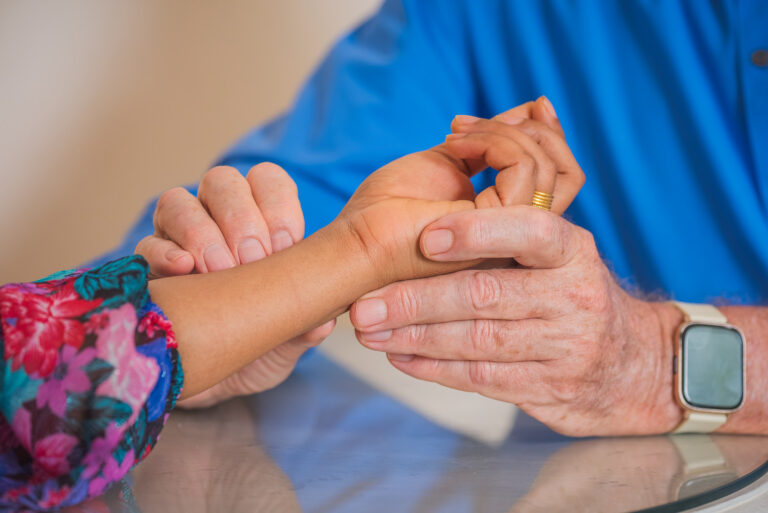
Some Ayurvedic practitioners use traditional pulse assessment to interpret patterns of balance and imbalance according to Ayurvedic principles. This practice is distinct from conventional medical examination and should not replace medical testing or diagnosis.
At The Raj, individual Ayurvedic consultations help guide recommendations for appropriate treatments, oils, diet, and daily routines.
During Your Treatment: Warmth, Comfort, and Rest
Your experience will vary depending on the therapy selected. Abhyanga involves rhythmic oil application, while Shirodhara is generally received while lying quietly as warm oil flows across the forehead. Herbal steam and other treatments may be included when appropriate.
Your practitioner should explain the procedure, discuss relevant sensitivities, and help ensure that you are comfortable throughout the experience.
Communicate immediately if you experience discomfort, dizziness, excessive heat, skin irritation, or any other concerning symptoms. A treatment should not need to be painful or distressing to be considered beneficial.
After Your Treatment: Time to Integrate
Many Ayurvedic treatment traditions recommend a quiet period after a therapy rather than immediately returning to vigorous activity.
You may be advised to rest, stay comfortably warm, eat an appropriate meal, or follow simple dietary and lifestyle recommendations. These suggestions vary depending on the procedure and your individual circumstances.
Some people feel especially relaxed following a treatment, while others notice only subtle changes. Experiences differ, and temporary sensations should not automatically be interpreted as evidence of detoxification.
Are Ayurvedic Treatments Safe for Everyone?
Many noninvasive Ayurvedic practices, such as gentle massage and reasonable lifestyle adjustments, may be suitable for otherwise healthy adults. However, Ayurveda encompasses many different procedures, and the risks depend on the specific treatment.
Extra care is necessary for individuals who are pregnant or breastfeeding, have complex medical conditions, are recovering from surgery, take prescription medications, or have allergies and skin sensitivities.
More intensive purification procedures may be inappropriate for people with certain gastrointestinal, cardiovascular, kidney, or metabolic conditions. Herbal products can also create interaction risks or expose users to contaminants.
The National Center for Complementary and Integrative Health notes that research on Ayurveda remains limited and that some Ayurvedic preparations have raised significant safety concerns.
Ayurvedic care should complement, rather than replace, appropriate medical diagnosis and treatment. Always discuss significant health conditions and medications with your healthcare provider before starting a new treatment or intensive program.
Experiencing Authentic Ayurvedic Treatments at The Raj
At The Raj Ayurveda Health Center in Fairfield, Iowa, traditional Maharishi Ayurveda provides the foundation for a personalized approach to rejuvenation and well-being.
Established in 1993, The Raj was purpose-built for Ayurvedic care, offering an environment where traditional therapies, personalized guidance, nourishing meals, and rest are brought together in a coordinated experience.
Guests may choose an individual Day Spa treatment, such as Abhyanga or Shirodhara, or a longer residential Panchakarma program. Each experience offers a different introduction to the principles of Ayurveda.
For those seeking a comprehensive retreat, The Raj’s approach begins with an individual Ayurvedic assessment and continues with treatments selected according to personal needs. A typical program may combine synchronized herbalized oil massage, herbal steam, specialized therapies, organic vegetarian meals, and time for quiet rest.
Throughout the stay, the emphasis remains on the individual rather than on a fixed sequence of identical treatments for every guest.
If you’re curious about Ayurveda but not ready for a longer retreat, exploring individual Ayurvedic treatments at The Raj can be a welcoming place to begin.
Those interested in a more comprehensive experience can also explore our personalized Panchakarma retreat options.
Frequently Asked Questions About Ayurvedic Treatments
1. What is the most common Ayurvedic treatment?
Abhyanga, a traditional warm oil massage, is one of the most widely recognized Ayurvedic therapies. It is often offered as a standalone treatment and may also form part of a comprehensive Panchakarma program. Other familiar therapies include Shirodhara, herbal steam treatments, and personalized dietary guidance.
2. What is the difference between Ayurvedic massage and regular massage?
Ayurvedic massage traditionally uses oils, techniques, and treatment sequences selected according to Ayurvedic principles and the individual’s needs. Conventional massage may be more directly focused on muscle tension, mobility, or specific areas of discomfort. Both can offer relaxing experiences, but their underlying traditions and intended purposes differ.
3. Does Ayurvedic treatment remove toxins from the body?
Traditional Ayurveda describes purification in terms of removing accumulated impurities and restoring balance. However, these concepts do not always correspond to measurable toxins in modern medicine. Scientific evidence that Ayurvedic treatments reliably remove specific toxins is limited, and Ayurvedic purification should not be regarded as a substitute for medical care.
4. How long does an Ayurvedic treatment take?
A standalone Ayurvedic treatment may last approximately 20 to 90 minutes or longer, depending on the procedure and whether multiple therapies are combined. Comprehensive Panchakarma programs take place over several days or weeks and may include daily treatments, consultations, specialized meals, and rest periods.
5. Can beginners try Ayurvedic treatments?
Yes. Many people first experience Ayurveda through a gentle oil massage, Shirodhara, or a wellness consultation. It is important to tell the practitioner about medications, allergies, medical conditions, and any concerns before receiving treatment. More intensive purification procedures require careful professional screening.
6. Is Ayurvedic treatment scientifically proven?
Evidence varies considerably between practices and health conditions. Some small studies suggest potential benefits from certain Ayurvedic interventions, but much of the research is preliminary, and many traditional claims have not been demonstrated in rigorous clinical trials. Established medical care remains important for diagnosing and treating health conditions.
7. Do you need Panchakarma to experience Ayurveda?
No. Ayurveda includes diet, lifestyle routines, meditation, herbal approaches, and individual body treatments. Panchakarma is one traditional component of Ayurveda, not a requirement for everyone. A standalone treatment or consultation can be a practical introduction before considering a longer program.
A Personalized Approach to Well-Being
One of the most distinctive aspects of Ayurveda is its recognition that well-being is personal. Rather than relying on one treatment or routine for everyone, Ayurveda considers the individual’s constitution, current needs, daily habits, and environment.
From the warmth of Abhyanga to the quiet experience of Shirodhara, each treatment offers an opportunity to explore a different aspect of this ancient tradition. More comprehensive programs bring these practices together with personalized guidance, nourishment, and rest.
At The Raj, we welcome guests who are discovering Ayurveda for the first time as well as those wishing to deepen their experience through traditional Panchakarma.
Explore Ayurvedic Treatments at The Raj
Discover individual Day Spa treatments or speak with our team about a personalized Ayurvedic retreat.
Medical note: This article is provided for educational purposes and is not intended to diagnose, treat, cure, or prevent any disease. Individual results vary. Consult a qualified healthcare professional before beginning Ayurvedic treatments, herbal preparations, or purification programs, especially if you have an existing medical condition.