Panchakarma is a traditional Ayurvedic purification program designed to remove accumulated toxins from the body, restore balance, and support the body’s natural healing processes. This describes its purpose within Ayurveda. The traditional understanding of purification is broader than the removal of specific substances measured by modern laboratory tests.
Rather than being a single treatment, Panchakarma brings together individualized assessment, preparation, selected therapies, nourishment, rest, and recovery. The sequence matters, as does choosing an approach suited to the person.
At The Raj Ayurveda Health Center in Fairfield, Iowa, authentic Panchakarma is central to our practice of Maharishi Ayurveda. Understanding the process can help you decide whether a retreat is appropriate and what questions to ask before beginning.
What Does Panchakarma Mean?
The Sanskrit word Panchakarma means “five actions,” referring to a group of classical Ayurvedic purification procedures.
A complete program includes more than those procedures alone. Preparation comes first, followed by appropriately selected treatments and a period of recovery. Not everyone receives every classical procedure, and a longer or more intensive program is not automatically better.
The individual’s constitution, current health, digestion, age, strength, medications, and goals all influence recommendations.
How Does Ayurveda Explain Panchakarma?
Ayurveda understands health through the relationship between constitution, digestion, daily habits, and the environment.
The three doshas, Vata, Pitta, and Kapha, describe traditional patterns of functioning. Vata is associated with movement, Pitta with transformation, and Kapha with structure and stability. Practitioners consider both a person’s underlying constitution and their current state of balance.
Another central concept is agni, commonly translated as digestive fire. It describes the capacity to digest and transform what the body receives. Ama refers to incompletely processed material within Ayurvedic theory and is traditionally associated with impaired digestion and imbalance.
These concepts guide Ayurvedic treatment selection. They are not equivalent to conventional diagnoses, and ama should not be treated as a specific toxin identifiable by a standard blood test.
What Are the Three Stages of Panchakarma?
Preparation: Purvakarma
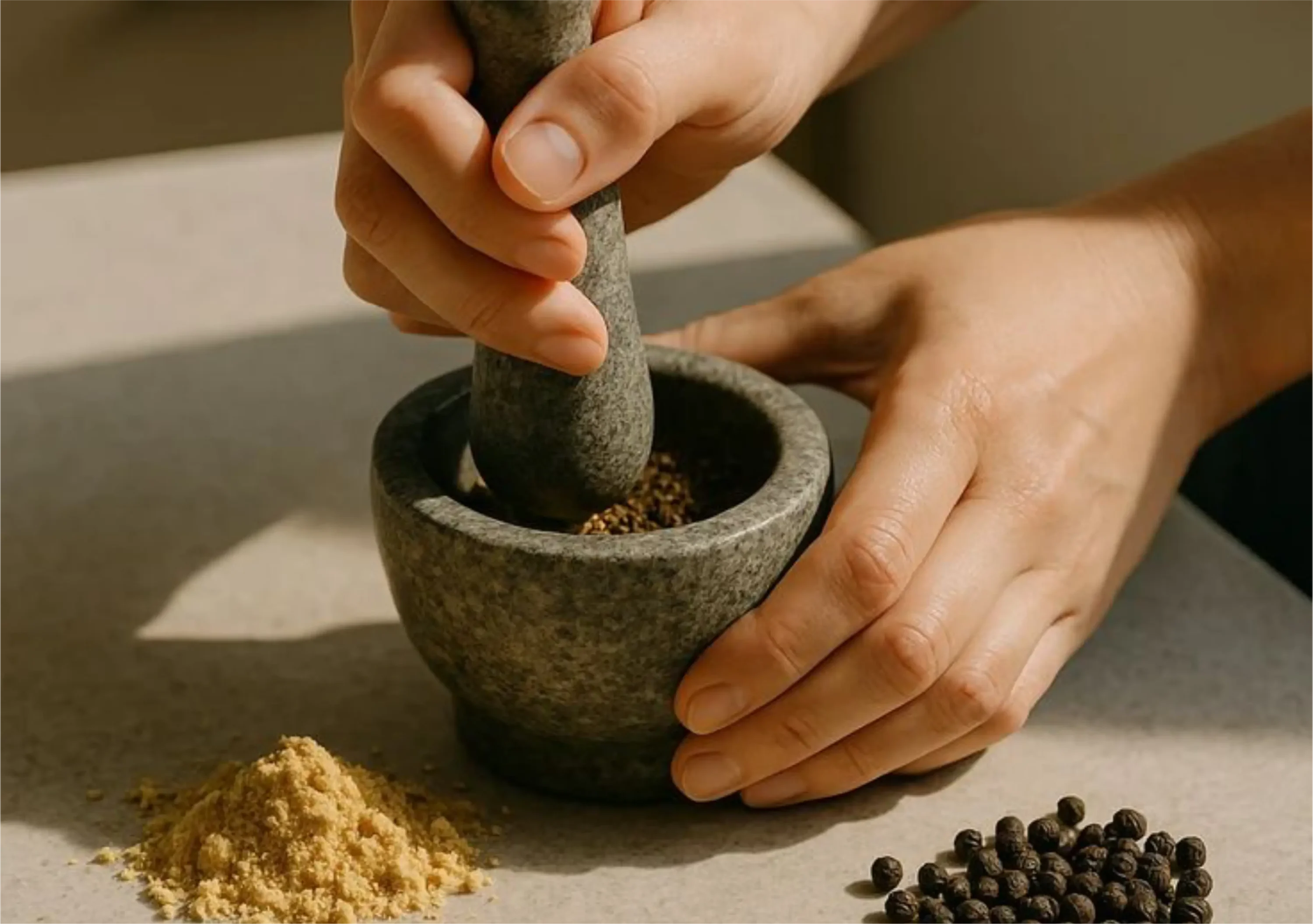
Preparation helps establish the conditions for the main treatment phase. Depending on the individual, it may include dietary adjustments, changes to daily routines, oil-based therapies, and carefully selected warming treatments.
Some preparation may take place at home before arrival. Follow the instructions provided by your care team rather than beginning an online cleanse or taking oils, herbs, or laxatives independently.
Main Treatment: Pradhanakarma
During this phase, the practitioner selects purification procedures appropriate to the individual. Treatments may change as the program progresses.
Authentic personalization means explaining what is recommended, why it is being used, and how your response will be monitored. Receiving more procedures is not the measure of a better program.
Recovery: Paschatkarma
Recovery is part of Panchakarma, not an optional addition. Food and activity may need to be adjusted gradually after particular procedures.
Recommendations can include meals, rest, sleep, gentle movement, and follow-up care. The purpose is to support the transition back into daily life rather than move directly from intensive treatment into a demanding schedule.
What Are the Five Classical Panchakarma Procedures?
Different Ayurvedic traditions classify the five actions somewhat differently. One common classification separates two forms of basti:
| Procedure | General Description |
|---|---|
| Vamana | Therapeutically induced vomiting |
| Virechana | Therapeutic purgation |
| Anuvasana Basti | Rectal administration of oil-based preparations |
| Niruha or Asthapana Basti | Rectal administration of decoction-based preparations |
| Nasya | Administration of selected preparations through the nasal passages |
Some classifications combine the basti procedures and include Raktamokshana, traditional bloodletting.
This is background about classical Ayurveda, not a list of treatments every retreat provides or every guest should receive. These procedures require careful screening and appropriately qualified supervision. They should not be attempted independently. The classification above is also described by India’s Central Council for Research in Ayurvedic Sciences. ccras.nic.in
How Do Massage, Steam, and Shirodhara Fit In?
Many familiar Ayurvedic treatments are preparatory or supportive therapies rather than the five principal purification actions.
Abhyanga
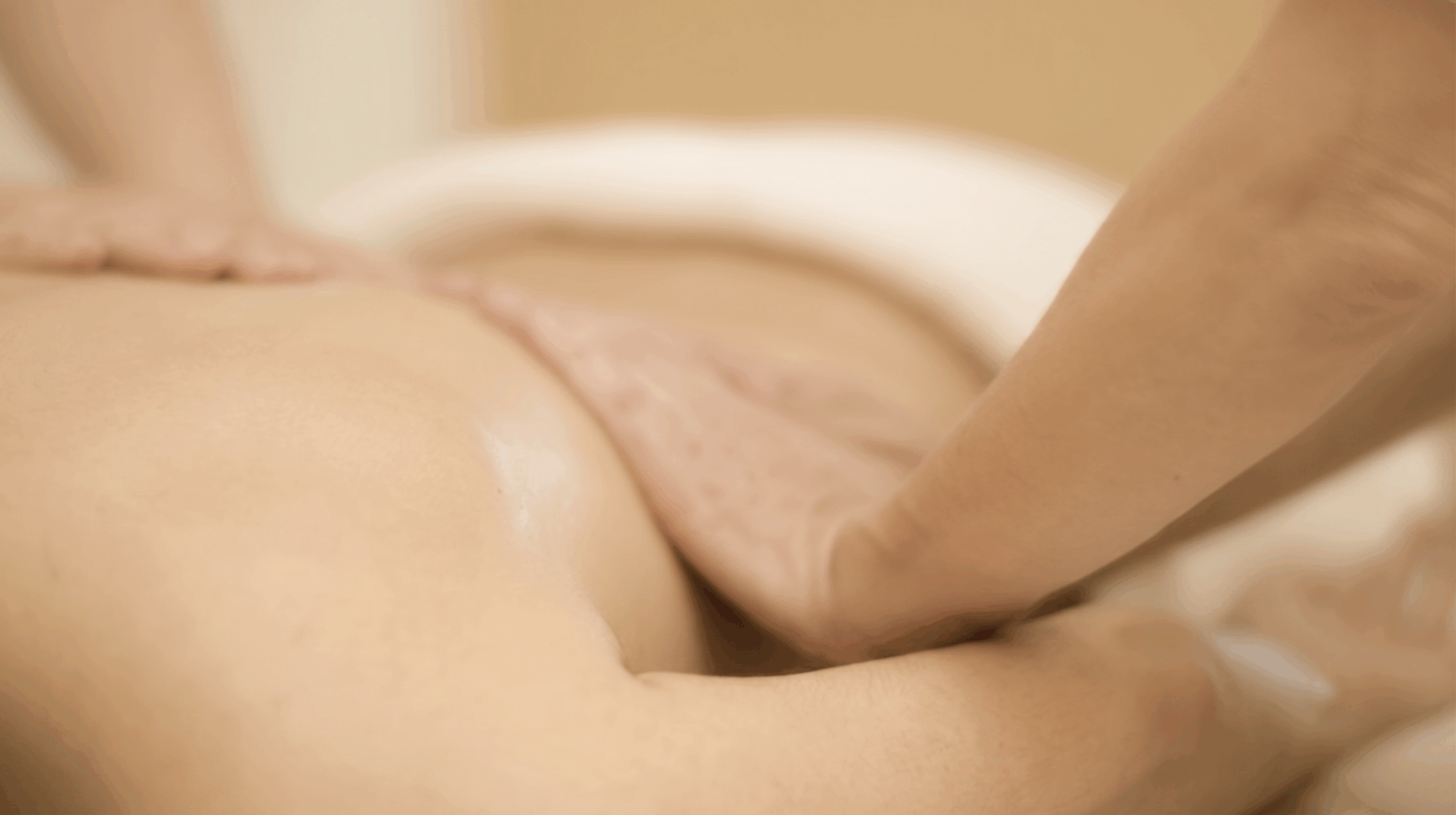
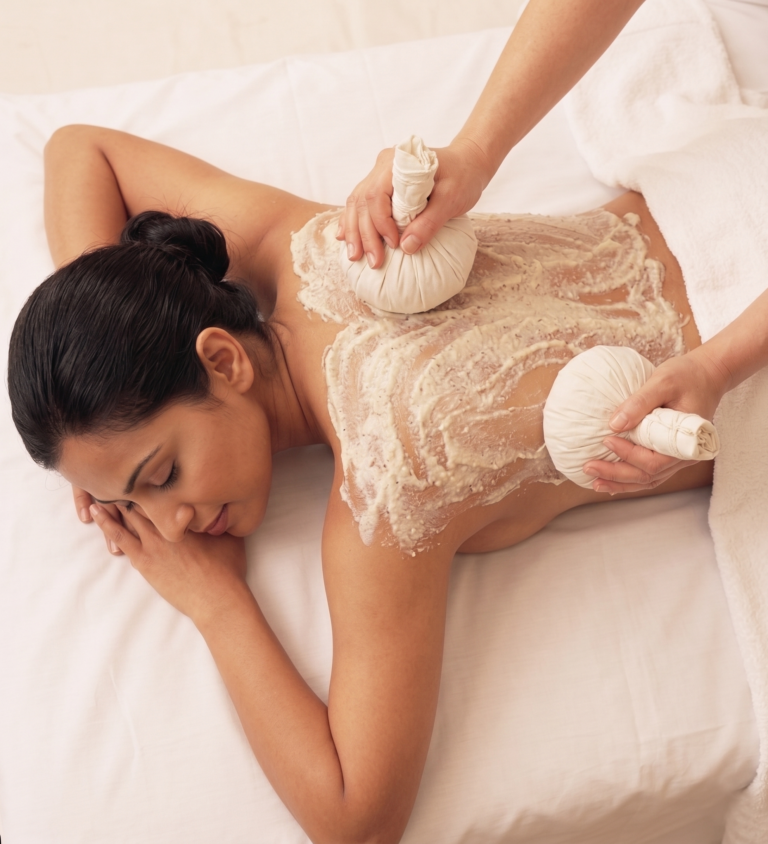
Abhyanga involves applying warm oil with rhythmic massage movements. The oils and approach are selected according to the person and the program.
At The Raj, synchronized treatment by two technicians is part of the Ayurvedic care experience. Within the tradition, oil application has a role beyond relaxation and may help prepare the individual for subsequent procedures.
Swedana
Swedana refers to Ayurvedic warming or sweating therapies, which may follow oil application. The method and intensity should be adapted to the individual.
Heat treatments are not suitable for everyone. Comfort, hydration, health history, and tolerance need consideration.
Shirodhara
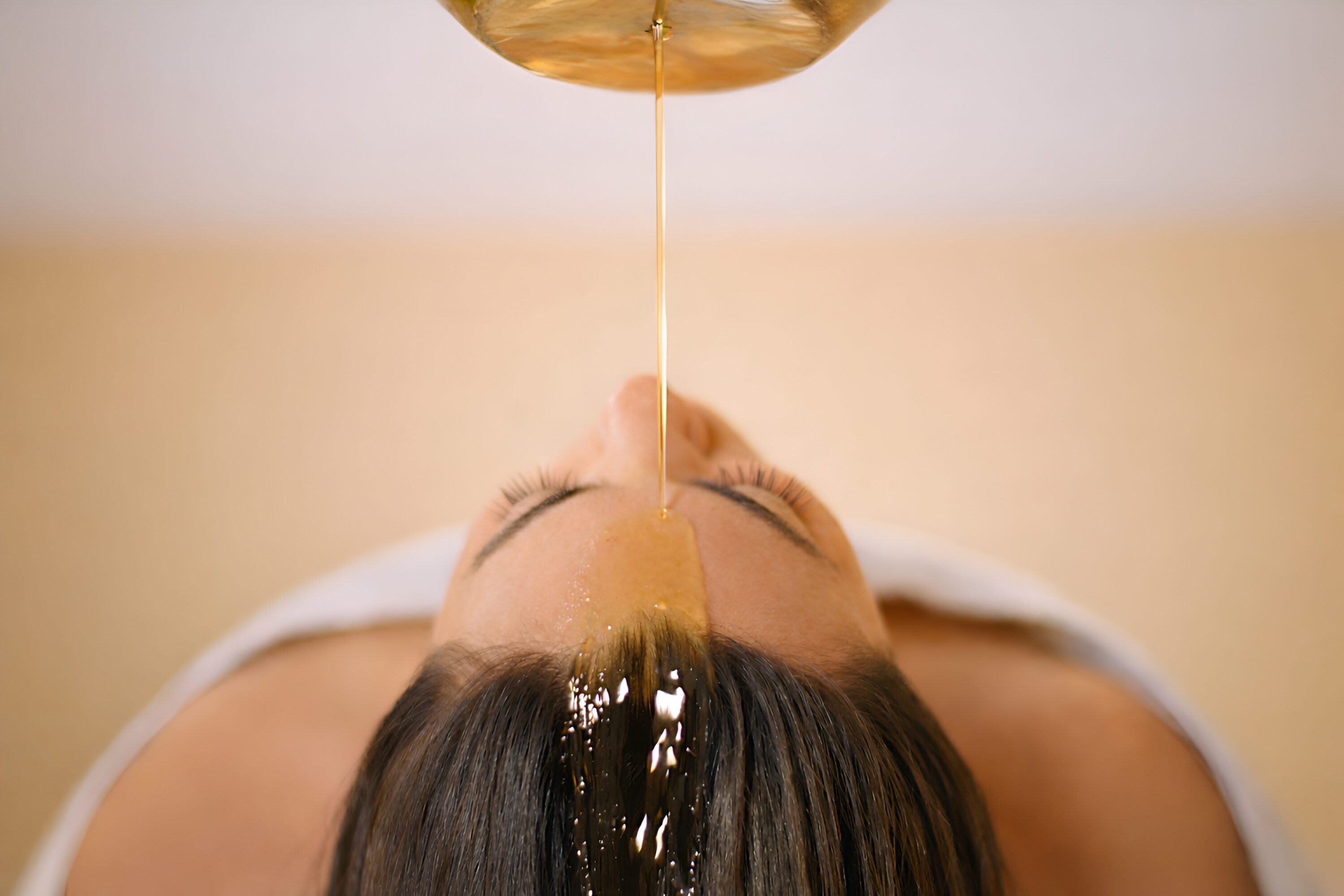
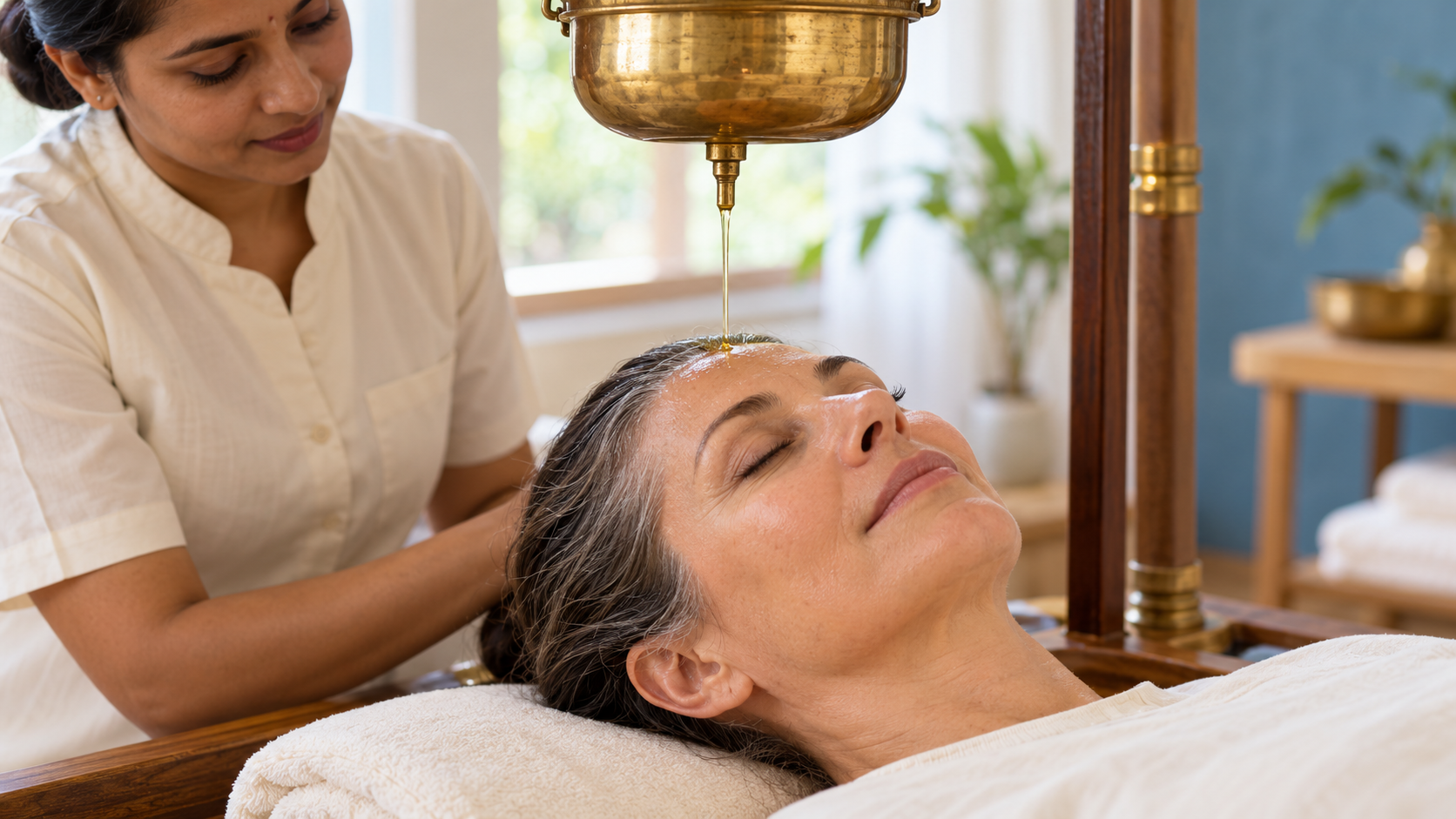
Shirodhara involves a continuous stream of warm oil directed over the forehead while the recipient rests.
It may be included in a broader program when appropriate. However, receiving Shirodhara or an oil massage by itself does not mean someone has completed Panchakarma.
What Happens During a Panchakarma Retreat?
A residential program begins with understanding your health history, daily routines, concerns, and goals. An Ayurvedic assessment, which may include traditional pulse assessment, helps guide recommendations.
Treatments take place within a wider routine of meals, consultations, and substantial time for rest. Gentle yoga, meditation, educational sessions, and quiet walks may also be available or recommended.
The schedule should leave room to recover between activities. A retreat filled with work calls, sightseeing, or demanding exercise may leave little opportunity for the rest that the program is intended to provide.
A day might include treatments in the morning, a freshly prepared lunch, an afternoon of rest or a gentle walk, and a quiet evening. The actual schedule depends on the treatment plan rather than a fixed itinerary that every guest follows.
What Do You Eat During Panchakarma?
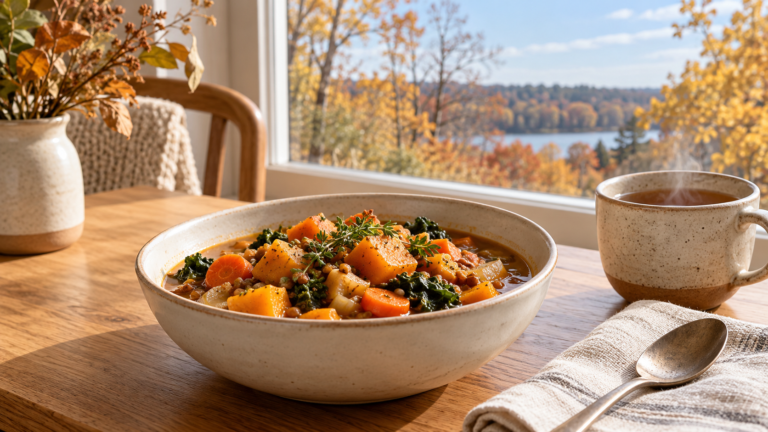
Food is part of the care plan. Meals are commonly warm, freshly prepared, relatively simple, and adjusted to the treatment stage.
At The Raj, organic vegetarian meals accompany individualized Ayurvedic care. Recommendations consider digestion and constitution alongside practical needs such as allergies and dietary restrictions.
Panchakarma does not automatically mean fasting or living on juice. Some procedures require particular dietary instructions, but aggressive restriction is not appropriate for everyone. Discuss your nutritional needs before booking, especially if you have diabetes or another condition affected by changes in food intake.
How Long Does Panchakarma Take?
The total process can include preparation before arrival and recovery after departure. The number of residential treatment days therefore does not describe the entire commitment.
The Raj offers 5-, 7-, 14-, and 21-day program options. Their purpose is to provide different amounts of time for individualized care, not to promise a particular result within a fixed number of days.
| Program Length | How to Consider It |
|---|---|
| 5 days | A shorter option for guests with limited time, subject to suitability |
| 7 days | More time to settle into treatment and rest |
| 14 days | An extended period for individualized care and recovery |
| 21 days | A longer immersion when appropriate for the guest’s health and goals |
Ask about treatment days, accommodation nights, preparation, and the recommended recovery period when planning travel. Choose the length with the care team rather than assuming the longest retreat must be best.
What Benefits Do People Seek From Panchakarma?
People consider Panchakarma for different reasons. Some want rest after prolonged stress or overwork. Others are interested in rejuvenation, preventive wellness, or guidance for building more supportive routines.
Many also arrive with chronic health concerns and want to explore Ayurveda alongside their existing healthcare.
Guests may hope for improvements in their experience of stress, sleep, digestion, energy, or overall wellbeing. These are individual goals, not guaranteed outcomes. Changes during a retreat may reflect several elements together, including rest, meals, reduced demands, and treatments.
Panchakarma should not be presented as a proven cure for a broad range of diseases or a replacement for necessary medical care.
What Does Research Say About Panchakarma?
Research on complete Panchakarma programs remains limited, and findings need to be interpreted according to the treatment studied and the study design.
A 2002 study by Robert E. Herron and John B. Fagan examined an Ayurvedic purification procedure. In its longitudinal component, 15 participants had blood measurements taken before and after treatment. Mean serum levels of PCBs and beta-HCH declined by 46% and 58%, respectively.
This small before-and-after component did not have a separate concurrent control group. The findings do not establish that every Panchakarma program produces those changes, that all toxins are removed, or that the measured changes lead to better long-term health. They provide a reason for further investigation rather than a guaranteed outcome for guests. PubMed
You can explore additional background on The Raj’s research page.
Is Panchakarma Safe for Everyone?
No. Suitability depends on the person and the proposed procedures.
Pregnancy, acute illness, frailty, recent surgery, medications, and certain cardiovascular, kidney, or digestive conditions can affect whether a program is appropriate. Purification procedures can carry risks, including dehydration and electrolyte disturbances, while herbs may interact with medications.
The National Center for Complementary and Integrative Health advises discussing Ayurvedic products with healthcare professionals and notes that some preparations can contain harmful metals. Product quality and coordinated care matter. NCCIH
Before beginning, share your diagnoses, medications, supplements, allergies, and recent medical history. Do not stop or change prescription medication without the prescribing professional’s guidance.
Ask the center how it screens guests, monitors treatment, and responds to adverse symptoms.
How Should You Prepare and Recover?
Before arrival, follow the preparation instructions supplied for your program. Avoid adding your own fasting, supplements, or cleansing practices.
Where possible, reduce work commitments and allow time for travel without rushing. Preparation also means making practical room for rest rather than planning to complete a major project between treatments.
Afterward, follow the recommended transition for food and activity. Some guests may need a quieter period before returning to strenuous exercise or a demanding schedule.
Useful aftercare should be specific enough to follow at home. Ask what to eat, when to resume usual activities, whom to contact with concerns, and whether follow-up is recommended.
How Do You Choose an Authentic Panchakarma Program?
Look for a clearly explained process with individualized assessment, appropriate supervision, preparation, and aftercare.
Ask who makes treatment decisions and what qualifications they hold. Find out which procedures are actually offered, how suitability is assessed, and whether the plan changes in response to your condition.
The environment and meals should support the program, but attractive surroundings alone do not establish clinical quality. Responsible claims, informed consent, clear safety procedures, and communication with your existing healthcare team are also important.
An Ayurveda retreat may focus on yoga, education, or relaxation. A Panchakarma program has a more specific purpose. Ask what is included rather than relying on the retreat’s name.
Panchakarma at The Raj Ayurveda Health Center
Established in 1993, The Raj is dedicated to authentic Panchakarma grounded in Maharishi Ayurveda.
Individualized care connects consultation, preparation, treatments, meals, rest, and guidance for returning home. The residential setting in Fairfield, Iowa provides space to step away from everyday responsibilities and focus on the program.
Guests come for rejuvenation, prevention, and support while navigating chronic health concerns. The appropriate starting point is a conversation about your needs, followed by assessment of whether the program is suitable.
To discuss Panchakarma and the available retreat lengths, call our Guest Advisors at 1 (800) 864-8714.
Frequently Asked Questions
Is Panchakarma the Same as a Detox?
“Ayurvedic detox” is common shorthand, but it does not describe the entire process. Panchakarma includes assessment, preparation, selected purification procedures, nourishment, rest, and recovery. Its traditional concepts should not be equated automatically with medically demonstrated toxin removal.
Do You Have to Receive All Five Procedures?
No. The five actions describe a classical system, not a checklist for every guest. Procedures are selected according to the individual, and programs differ in what they provide.
Can You Do Panchakarma at Home?
Practices such as suitable meals, regular sleep, and gentle self-care can be part of an Ayurvedic lifestyle at home. They are not equivalent to a complete Panchakarma program. Do not independently attempt therapeutic vomiting, purgation, enemas, or other intensive cleansing procedures.
Can You Work or Exercise During a Retreat?
Reducing work commitments creates more time for rest. Gentle movement may be appropriate, but activity should follow the care team’s recommendations, particularly during and after purification procedures.
When Is the Best Time for Panchakarma?
Ayurveda considers season when planning care, and spring and fall are commonly chosen for seasonal programs. However, your health, readiness, and ability to allow time for preparation and recovery are also important.
Can Panchakarma Help You Lose Weight?
Weight may change during a retreat, but Panchakarma should not be approached as a crash weight-loss program. Short-term changes do not necessarily represent fat loss or predict lasting results.
Can You Attend While Taking Medication?
Possibly, depending on your condition, medications, and proposed treatments. Disclose all medication and supplement use during screening and coordinate any changes with your prescribing healthcare professional.