When the weather turns cold and windy, the routines that felt comfortable in summer may begin to feel less inviting. A chilled breakfast loses its appeal. A warm lunch becomes something to look forward to. By evening, you may find yourself wanting a quieter pace and an earlier night.
Ayurveda offers a framework for making these seasonal adjustments. In the cold, dry months of fall and winter, it emphasizes qualities that balance the surrounding weather: warmth, nourishment, moisture, and regularity.
This period is often called Vata season. Understanding what that means can help you make thoughtful changes to your meals, daily schedule, and self-care without turning your life into a complicated set of rules.
What is Vata season?
In Ayurveda, Vata is one of the three doshas, the traditional principles used to describe patterns of functioning in the body and mind. Associated with air and space, Vata represents movement and is described as cold, dry, light, and mobile.
Vata season refers to weather that expresses these same qualities. Think of a chilly wind, dry leaves moving across a sidewalk, or a stretch of cold, changeable days.
Ayurveda teaches that similar qualities can reinforce one another. When the environment becomes colder and drier, its traditional approach is to introduce more warmth, moisture, and steadiness into daily life. Warm meals, consistent routines, and oil massage are familiar examples.
This is an Ayurvedic way of understanding seasonal wellbeing. Doshas are not medically validated diagnostic categories, and the concept of Vata should not replace an evaluation of persistent symptoms.
When is Vata season?
In much of the United States, Vata season is associated with late fall and the cold, dry part of winter. However, the weather matters more than a fixed starting date.
An unusually warm autumn may call for a gradual transition. A cold, windy spell may make warming meals and extra protection outdoors welcome earlier in the year. As conditions become wetter and heavier toward late winter or spring, Ayurvedic seasonal recommendations may change again.
Seasonal calendars also vary between climates and Ayurvedic traditions. The familiar association between fall and Vata is a practical adaptation for many temperate regions, rather than a universal description of autumn everywhere. Maharishi Ayurveda’s seasonal guidance similarly connects Vata with cold, dry, windy fall and winter conditions. Maharishi Ayurveda
The useful question is therefore: What qualities are present in the weather where you live, and how can your routine respond?
What changes does Ayurveda associate with Vata season?
Traditional Ayurvedic descriptions associate increased Vata with patterns such as dryness, irregular digestion, restlessness, and difficulty settling into sleep. Someone may notice dry skin alongside a more hurried schedule, or feel less comfortable when meals become irregular.
These observations can provide a starting point for reviewing everyday habits. Have you been skipping lunch? Staying up later? Spending long periods outside without enough protection from the wind?
They should not become a reason to label every symptom a “Vata disorder.” Anxiety, insomnia, constipation, and joint pain can have many causes. New, persistent, or worsening symptoms deserve medical attention rather than being attributed solely to the season.
Seasonal self-care can support your routine while you continue any care you already need.
What should you eat during Vata season?
The traditional emphasis is on food that is warm, moist, nourishing, and appropriate for your digestion. This does not mean eating unusually large portions or choosing rich foods at every meal.
A useful starting point is to look at the meals you already enjoy and consider how to make them more warming and satisfying.
Choose warm, moist, satisfying meals
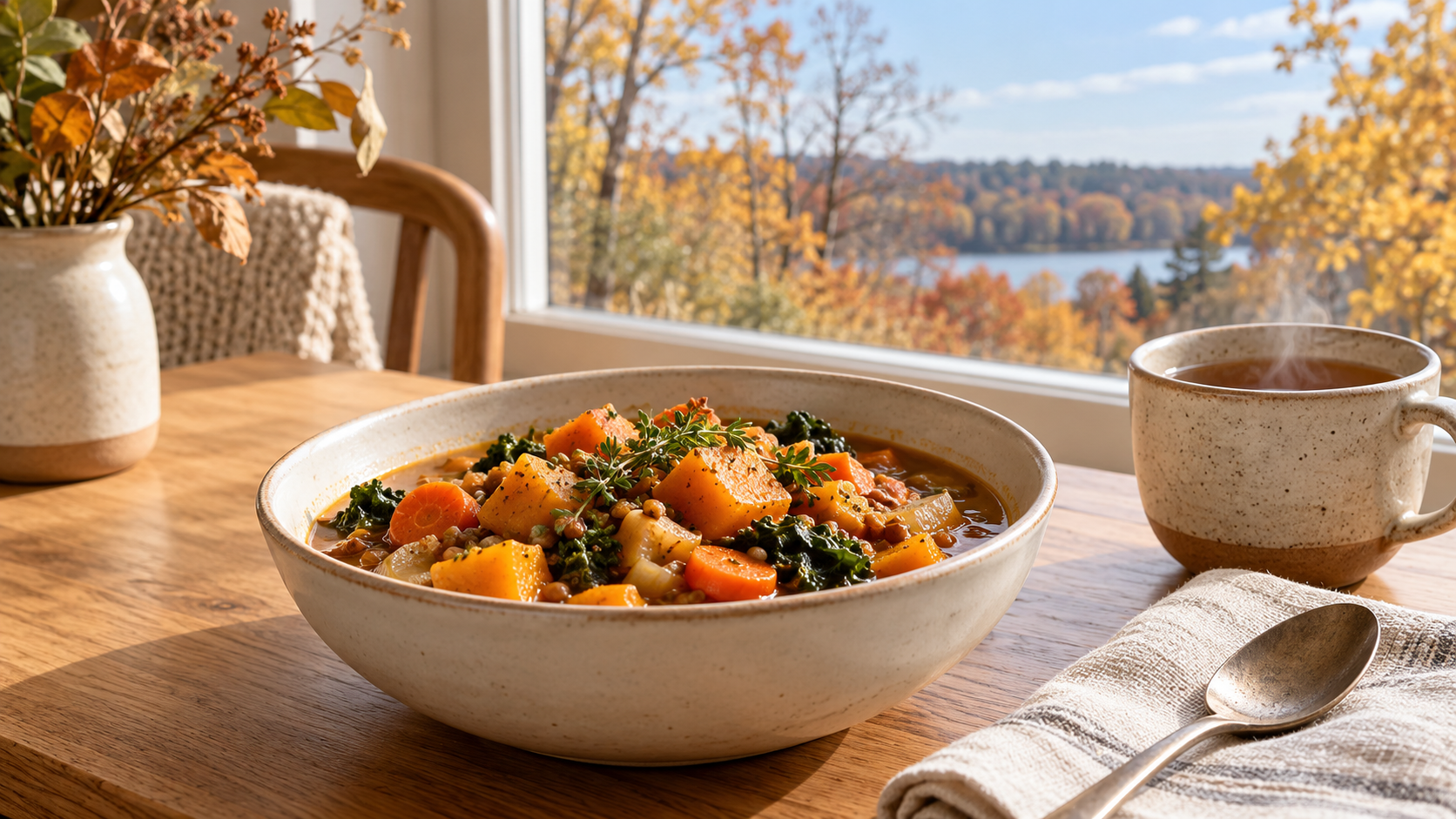
For breakfast, you might prepare oatmeal with cooked pear and a little cinnamon. At lunch, try a vegetable stew with a suitable protein source and a cooked grain. For dinner, a warm soup can work well when it contains enough nourishment to leave you comfortably satisfied.
Preparation matters. Quinoa served dry with a few raw vegetables is a different meal from quinoa cooked until tender and served with a warm vegetable dish and sauce.
| If your usual meal feels cold or dry | A warming alternative |
|---|---|
| Cold cereal straight from the refrigerator | Warm porridge with cooked fruit |
| A large raw salad as the whole meal | Cooked vegetables with a grain and protein source |
| Crackers or popcorn instead of lunch | A substantial soup or stew |
| Dry toast on its own | Toast with a nourishing topping and a warm accompaniment |
| An iced drink on a cold morning | Comfortably warm water or a caffeine-free beverage |
These are options, not forbidden-food rules. You do not need to eliminate all raw produce or abandon foods that suit you.
Warm water can be a pleasant way to stay hydrated, but it should be comfortable to drink, never scalding. There is no established clinical basis for claiming that hot water dissolves accumulated waste in tissues or joints.
Understand the sweet, sour, and salty tastes
Ayurveda traditionally favors sweet, sour, and salty tastes when balancing Vata. In this context, “sweet” includes the natural sweetness of foods such as cooked grains, carrots, and winter squash. It is not an instruction to eat more desserts.
Likewise, sour and salty tastes can be small parts of a balanced meal. A squeeze of lemon or a modest amount of seasoning may be enough, depending on your preferences and dietary needs.
The original advice to reduce bitter, astringent, and pungent tastes also needs context. It should not lead you to remove nutritious vegetables or legumes from your diet. Preparation, portion size, individual tolerance, and the overall meal matter.
If you have been advised to limit sodium, manage blood sugar, or follow another therapeutic diet, keep those requirements in place. Ayurvedic recommendations should be adapted to your health needs.
Keep meals regular
A busy fall schedule can make it easy to delay lunch, graze through the afternoon, and arrive at dinner overly hungry. Ayurveda’s emphasis on regular nourishment offers a practical alternative.
Choose meal times you can maintain on most days. Keep a simple lunch available for busy afternoons, and plan an evening meal that is manageable to prepare.
Avoid introducing restrictive fasting simply because a seasonal wellness plan suggests you should “cleanse.” Any fasting schedule needs to account for your health, medications, nutritional requirements, and relationship with food.
For many people, the more useful seasonal adjustment is making ordinary meals more dependable.
How can you adjust your daily routine?
A supportive routine does not require scheduling every hour. Begin with a few dependable points in the day, such as waking, eating lunch, and preparing for bed.
Make sleep more consistent
The original article recommends sleeping before 10 p.m. and waking before 6 a.m. These are familiar Ayurvedic routine guidelines, but they are not universal medical requirements.
The more broadly supported priorities are adequate sleep and consistent timing. The National Heart, Lung, and Blood Institute recommends seven to nine hours of sleep for adults and encourages going to bed and waking at approximately the same times each day. NHLBI, NIH
If you regularly stay up later than intended, move your evening routine earlier in manageable steps. Finish demanding tasks, dim the lights, and allow time for a quiet activity before bed.
Do not shorten necessary sleep just to meet an early waking target. Your work schedule, health, and sleep needs matter. Persistent insomnia or substantial daytime sleepiness warrants professional advice.
Stay active without exhausting yourself
Cold weather does not have to mean becoming inactive. Walking, strength exercises, yoga, dancing, or another enjoyable activity can remain part of your week.
From an Ayurvedic perspective, the seasonal emphasis is on matching activity to your capacity and allowing adequate recovery. A steady, manageable session may suit a tiring day better than pushing through an unusually demanding workout.
Breathing only through your nose is not a universal test of safe exercise intensity. Nasal congestion, fitness, and the activity itself can affect how you breathe. Follow exercise guidance appropriate to your health and abilities.
When weather makes outdoor movement uncomfortable or unsafe, have an indoor option ready. A familiar routine is easier to maintain when it does not depend on ideal conditions.
Protect yourself from cold and wind
Dress for the conditions, including a hat, scarf, gloves, and suitable footwear when needed. The original recommendation to cover the head and ears fits the broader Ayurvedic emphasis on protecting against cold and wind.
You do not need to avoid being outdoors throughout winter. Choose appropriate clothing, manageable conditions, and a duration that feels comfortable.
Indoors, aim for comfortable warmth. At night, warmth in your bedding should not mean an overheated bedroom.
Make room for quieter transitions
Seasonal changes often coincide with travel, holiday planning, and crowded calendars. Even a nourishing meal may feel rushed when eaten between messages and meetings.
Try creating one small transition each day: sit down before beginning lunch, pause after arriving home, or set aside a few minutes before moving into your evening responsibilities.
If meditation is already part of your routine, protect that time. If it is not, begin with something simple and sustainable, such as quiet reading or an unhurried walk.
The goal is a rhythm you can return to when the day becomes busy.
How does abhyanga fit into seasonal self-care?
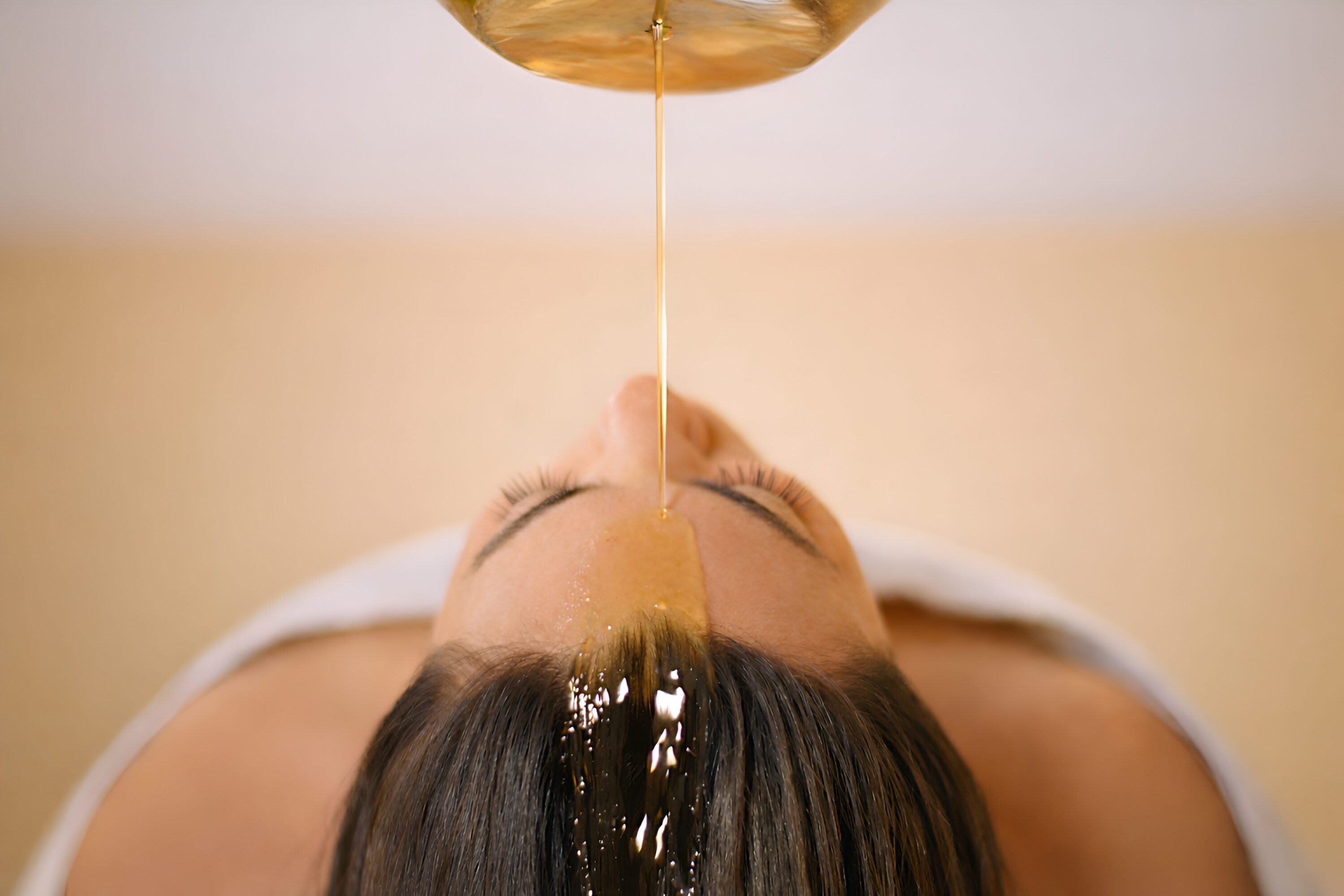
Abhyanga is the Ayurvedic practice of applying oil to the body with massage. Traditionally, it is used as part of daily care and is particularly associated with balancing Vata.
For home practice, seek guidance about an oil and approach suited to your skin and health. Keep the oil comfortably warm rather than hot, use gentle pressure, and allow enough time to avoid rushing.
Daily practice is not a requirement. A brief, manageable routine may be more useful than an elaborate ritual you find difficult to maintain.
Avoid oils containing ingredients you are allergic to, and do not massage broken, infected, or irritated skin. Oil also makes floors and tubs slippery, so prepare the space carefully and clean up afterward. Ask a healthcare professional before massaging an area with unexplained pain, swelling, or a recent injury.
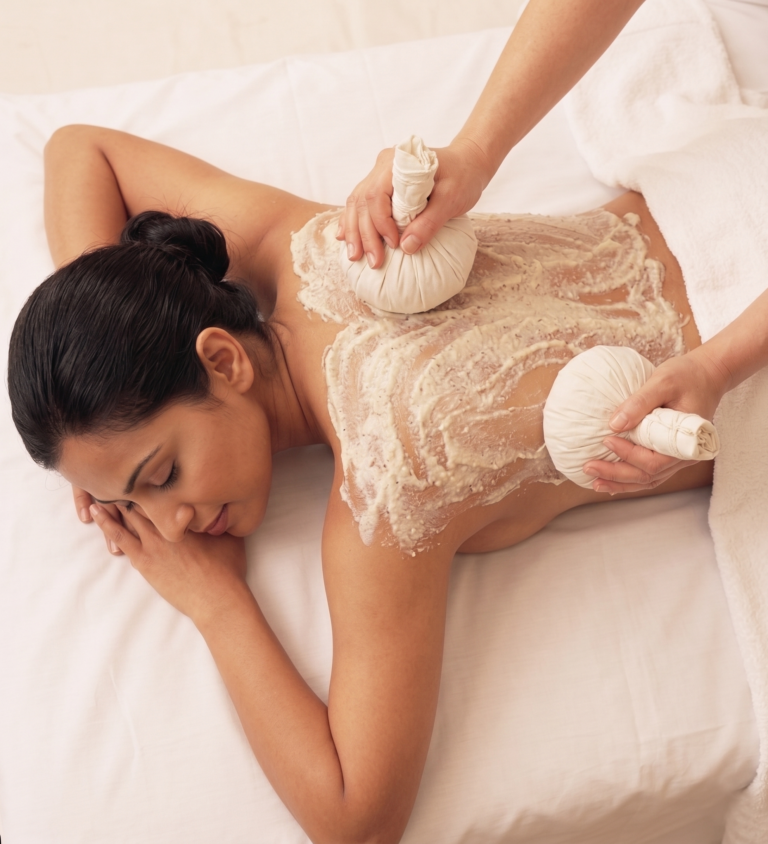
Home abhyanga is one self-care practice. It is not equivalent to an individualized Panchakarma program.
A simple Vata-season day
You do not need to adopt every recommendation at once. This example shows how a few changes can fit into an ordinary day.
Morning: Wake at a consistent time that allows sufficient sleep. Have a warm breakfast if that suits your appetite, dress for the weather, and leave enough time to begin the day without unnecessary rushing.
Midday: Set aside time for a satisfying lunch. Include cooked vegetables, a protein source, and other foods that meet your nutritional needs. Take a movement break when practical.
Afternoon: Drink according to your needs rather than forgetting fluids until evening. If you are hungry between meals, choose a snack that sustains you.
Evening: Eat a manageable dinner, prepare what you need for tomorrow, and begin winding down before you are overtired. Keep your bedtime reasonably consistent.
Start with the part of the day that feels least supported. For one person, that may be lunch. For another, it may be the hour before bed.
Exploring seasonal Panchakarma at The Raj
Daily habits provide the foundation for seasonal care. Some people also choose a period of guided Ayurvedic care to step away from everyday demands and receive individualized recommendations.
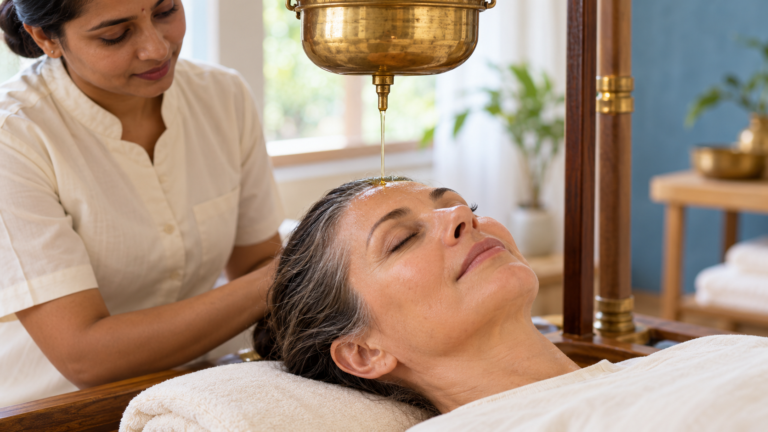
At The Raj Ayurveda Health Center in Fairfield, Iowa, Panchakarma is grounded in Maharishi Ayurveda. In Ayurvedic tradition, it is a purification program intended to restore balance and support the body’s natural healing processes. It involves more than relaxing oil treatments and should be tailored to the individual.
You can explore The Raj’s approach to Panchakarma or learn about its seven-day Panchakarma retreat. Suitability and timing should be discussed with the care team, particularly if you have chronic health concerns or take medications. The Raj Ayurveda Health Center
Whether you are considering a retreat or beginning at home, the seasonal principles remain approachable: bring warmth to cold days, nourishment to busy schedules, and greater regularity to the routines that support you.
To discuss a stay, call The Raj’s Guest Advisors at 1 (800) 864-8714.
Frequently asked questions
Does Vata season affect people with a Pitta or Kapha constitution?
Within Ayurvedic theory, seasonal influences apply to everyone, although recommendations are individualized. Someone with a predominantly Pitta or Kapha constitution may still benefit from adapting to cold, dry weather. This does not mean everyone should follow the same diet or use the same massage oil.
Is all of winter considered Vata season?
Not necessarily. Cold, dry, windy conditions are commonly described as Vata-like. Cold, damp, heavy conditions are more often associated with Kapha in seasonal guidance. Pay attention to your local climate rather than assuming one approach must apply throughout winter.
Do I have to stop eating salads and cold foods?
No. Traditional Vata-balancing advice favors warm, cooked meals, but it does not require treating every cold food as harmful. You might reduce large, cold meals when they feel uncomfortable and include more cooked options while maintaining variety and adequate nutrition.
Should I take herbs or supplements to balance Vata?
A seasonal routine does not automatically require supplements. Start with food, sleep, and daily habits. If you are considering an Ayurvedic product, discuss its ingredients, quality, and possible interactions with qualified practitioners and your healthcare professional. “Natural” does not guarantee safety. NCCIH
Can Vata-season routines treat anxiety, insomnia, or constipation?
These routines can support everyday wellbeing, but they are not a substitute for diagnosis or treatment. Such symptoms have multiple possible causes. If symptoms persist, worsen, or interfere with daily life, seek appropriate medical care rather than relying on a seasonal explanation.