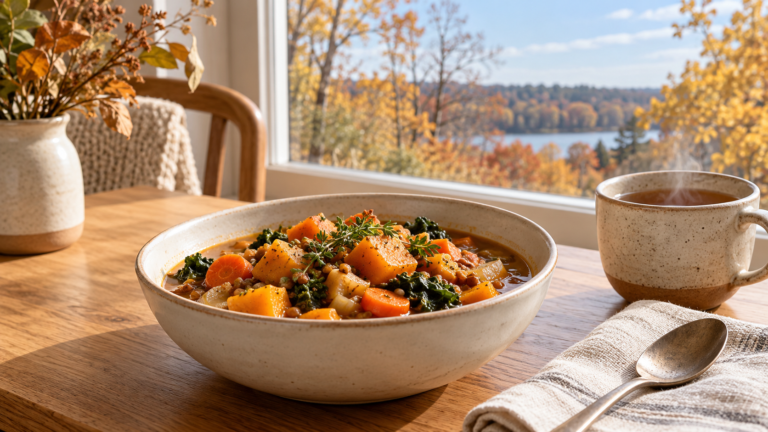
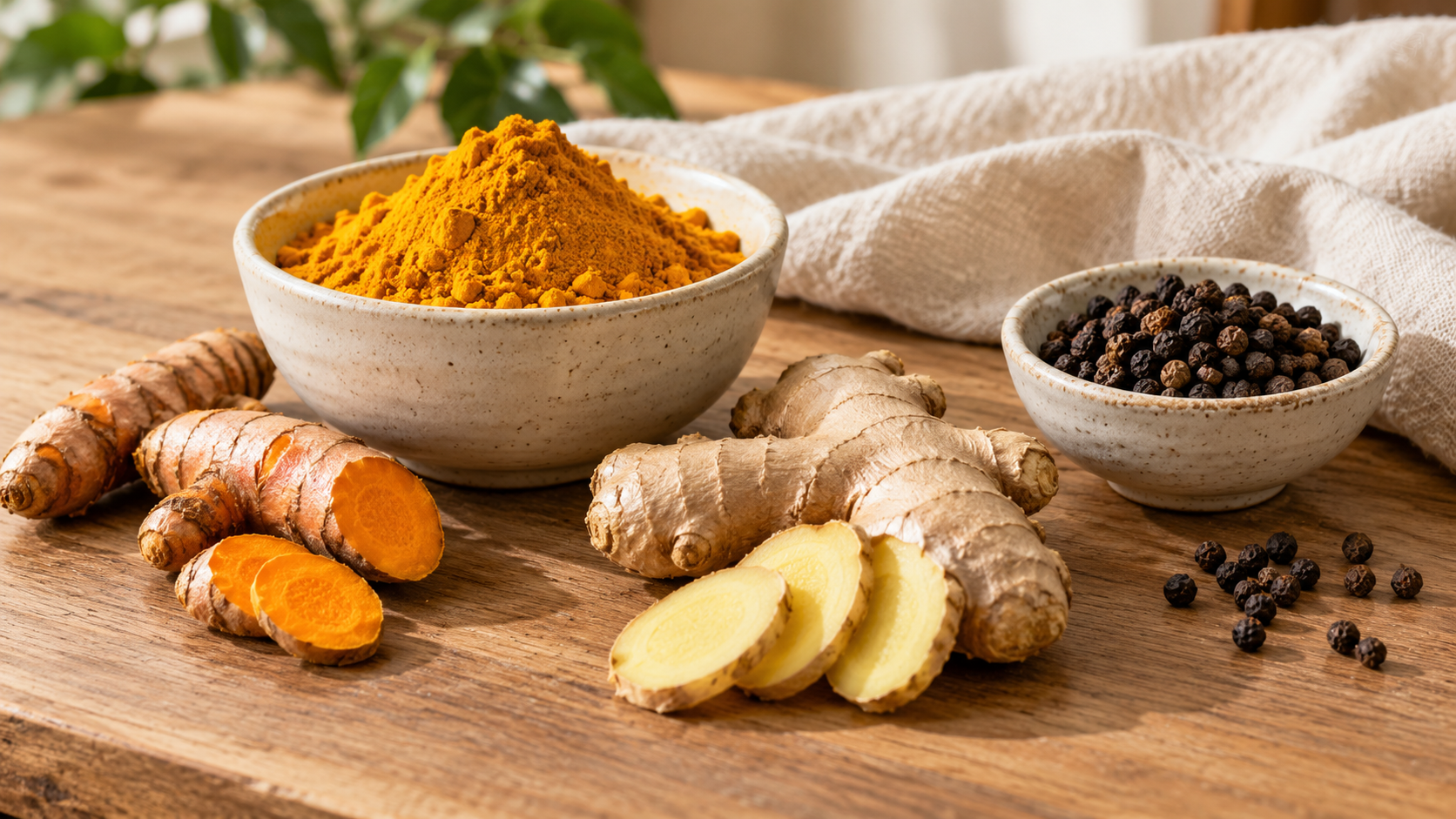
A little ginger can brighten a vegetable soup. Turmeric brings golden color and earthy flavor to lentils, while freshly ground black pepper adds warmth to a simple meal. In Ayurvedic cooking, these familiar ingredients are chosen for more than taste.
Ayurveda considers spices part of an individualized approach to nourishment. Their selection and preparation depend on the meal, the season, and the person eating it. A warming combination that suits one person may feel too intense for someone else.
Modern researchers also study compounds found in spices. Understanding the difference between traditional use, everyday cooking, and concentrated supplements helps put those findings into perspective.
Why Are Spices Important in Ayurveda?
In Ayurveda, digestion is central to nourishment. The traditional concept of agni, often translated as digestive fire, describes the body’s capacity to digest and transform what we consume.
Spices are traditionally selected to support this process while adding balance and variety to meals. Their qualities matter: some are warming and pungent, while others are considered gentler or more cooling.
This does not mean that a stronger spice mixture is always better. Ayurvedic cooking emphasizes suitability. The amount, combination, preparation, and individual response all influence the choice.
Turmeric, ginger, and black pepper offer an accessible introduction to this approach.
Black Pepper: Warmth, Flavor, and Piperine
Black pepper contains piperine, a compound responsible for much of its pungency. In Ayurvedic cooking, pepper is regarded as warming and stimulating and is traditionally used in modest amounts to support digestion.
A little freshly ground pepper can complement soups, cooked vegetables, grains, and lentil dishes. Its intensity makes it useful in small quantities rather than as the dominant flavor of every meal.
Does Black Pepper Help You Absorb Turmeric?
Piperine has been studied for its ability to increase the bioavailability of curcumin, a compound in turmeric. Bioavailability describes how much of a substance becomes available in the body after it is taken.
The frequently quoted “2,000% increase” comes from a 1998 study of curcumin and piperine. The human experiment used 2 grams of isolated curcumin with 20 milligrams of piperine, not ordinary portions of turmeric and pepper in a meal.
The finding concerns absorption under those study conditions. It does not mean that adding pepper makes turmeric 2,000% healthier or proves greater protection against disease. PubMed
You can enjoy the two spices together without trying to reproduce supplement doses in your kitchen.
How to Use Black Pepper
Grind a small amount into a finished soup or add it during cooking with other spices. Start lightly and adjust to taste.
Because pepper is pungent and warming, Ayurvedic recommendations often use it more cautiously when excess heat is a concern. If it aggravates heartburn or digestive discomfort, reduce the amount rather than forcing yourself to consume it for a presumed benefit.
Turmeric: A Traditional Spice With Growing Research Interest
Turmeric gives food its distinctive golden color. It contains a group of compounds called curcuminoids, including curcumin.
Ayurveda has long valued turmeric in cooking and traditional preparations. In everyday meals, its earthy, slightly bitter flavor works well with vegetables, lentils, soups, and grains.
What Does Research Say About Turmeric?
Researchers have investigated turmeric and curcumin for several health conditions. However, the National Center for Complementary and Integrative Health’s turmeric overview explains that evidence remains insufficient for definitive conclusions about health benefits. Some findings, including research on knee osteoarthritis symptoms, are promising but need stronger confirmation.
Studies also use different extracts, doses, and absorption-enhancing formulations. Their results cannot automatically be applied to a small amount of turmeric in dinner. NCCIH
How to Cook With Turmeric
Begin with a small amount in a familiar dish. For example, stir a little ground turmeric into vegetable soup or add it to lentils as they cook.
Turmeric can also be briefly warmed with other spices in a little cooking oil before adding vegetables and liquid. Use gentle heat and avoid scorching it.
Its flavor can become bitter when overused. There is no need to make every meal intensely yellow or heavily spiced.
Ginger: A Versatile Spice for Everyday Meals
Ginger adds a bright, warming flavor to both savory and sweet dishes. It contains several naturally occurring compounds, including gingerols, rather than a single ingredient responsible for all its effects.
Ayurveda traditionally uses ginger to support digestion. Fresh and dried ginger are treated as distinct preparations, with dried ginger generally regarded as more intensely heating.
Fresh ginger works well grated into soups, finely chopped into vegetables, or simmered in water for a mild drink. Ground ginger offers a convenient alternative with a different flavor profile.
What Does Research Say About Ginger?
According to the National Center for Complementary and Integrative Health, ginger may help with pregnancy-related nausea and vomiting. Most research has studied supplements rather than ordinary foods, and evidence for other uses varies. Most studies of motion sickness have not shown a benefit.
Ginger can also cause heartburn or abdominal discomfort. Anyone considering a ginger supplement during pregnancy or alongside medication should discuss it with a healthcare professional. NCCIH
How to Use Ginger Comfortably
Start with a small amount and notice whether you enjoy it and tolerate it well. A gently flavored soup may suit you better than a strong ginger shot.
More concentrated does not necessarily mean more beneficial. If ginger causes burning or discomfort, reduce it or leave it out.
Can These Spices Support Heart and Brain Health?
Compounds in spices attract research interest because of their biological activity. But activity observed in a laboratory is not the same as a demonstrated health benefit in people.
It is not appropriate to promise that culinary turmeric, ginger, or black pepper prevents Alzheimer’s disease, treats heart disease, or stops cancer. Likewise, adding pepper to food is not an established method of delivering healthy fats across the blood-brain barrier.
Their everyday value can be more practical. Spices make vegetables, legumes, and other nourishing foods more appealing and can add flavor without relying entirely on salt. The National Kidney Foundation’s guide to spices offers examples of using them in everyday cooking.
Think of spices as part of a varied eating pattern, rather than as individual remedies that compensate for the rest of your diet.
Simple Ways to Include Ayurvedic Spices
You do not need a complicated recipe or a large collection of ingredients. Start with one meal you already prepare.
| Spice | Flavor | Simple Uses |
|---|---|---|
| Black pepper | Pungent and warming | Grind lightly over soup, cooked vegetables, or lentils. |
| Turmeric | Earthy and slightly bitter | Stir into soups, grain dishes, or vegetable stews. |
| Fresh ginger | Bright, aromatic, and warming | Grate into soups or finely chop into cooked vegetables. |
| Dried ginger | Concentrated and warming | Use sparingly in porridge, baking, or spice mixtures. |
For a simple vegetable soup, soften a little chopped ginger in cooking oil, stir in a small amount of turmeric, then add vegetables and broth. Finish with pepper if it suits your taste and digestion.
This is a cooking suggestion, not a therapeutic formula. Adjust the seasoning to your preferences and dietary needs.
How Should You Buy and Store Spices?
Whole peppercorns and fresh ginger are useful choices for vibrant flavor, but ground spices are also practical. They should not be dismissed as lacking health value simply because they are sold in powdered form.
Buy quantities you are likely to use while their flavor remains fresh. Keep dried spices tightly sealed and away from heat, moisture, and direct sunlight. Store fresh ginger in the refrigerator or freeze portions for later cooking.
Choose reputable suppliers with clearly labeled products. Organic options may fit your preferences, but an organic label does not establish greater medicinal benefit or guarantee freedom from contamination.
Freshness, reliable sourcing, and appropriate storage matter more than expensive “superfood” claims.
Are Spice Supplements the Same as Cooking Spices?
No. A concentrated extract may deliver much more of a particular compound than a normal serving of food. Products designed to increase absorption can also change the safety considerations.
NCCIH reports cases of liver injury associated with some enhanced-bioavailability turmeric or curcumin products. Its turmeric safety guidance also notes potential digestive side effects and precautions during pregnancy.
Before using concentrated turmeric, piperine, or ginger supplements, discuss your medications and health conditions with a healthcare professional. Culinary use and supplement use should not be treated as interchangeable.
Personalized Ayurvedic Nutrition at The Raj
At The Raj Ayurveda Health Center, dietary guidance is considered within the wider context of individual care. The aim is to understand what suits the person, rather than recommend the same spice mixture to everyone.
An Ayurvedic consultation can explore food choices, preparation methods, meal routines, and the traditional qualities of different spices. Recommendations should also accommodate allergies, digestive sensitivities, and medical dietary requirements.
Learn more about The Raj’s Ayurveda experts or call 1 (800) 864-8714 to speak with our Guest Advisors.
Begin in your own kitchen with a small, enjoyable change. Thoughtful seasoning can make everyday meals more inviting without turning food into a complicated health prescription.
Frequently Asked Questions
Do You Have to Add Black Pepper Whenever You Use Turmeric?
No. They are a familiar combination, and piperine has been studied for increasing curcumin absorption. However, turmeric can still be used for flavor and color without pepper, particularly if pepper does not agree with you.
Is Fresh Ginger Better Than Dried Ginger?
Neither is universally better. They have different flavors and traditional Ayurvedic qualities. Fresh ginger suits soups and vegetables, while dried ginger is convenient for baking and spice mixtures. Choose according to the recipe and your tolerance.
Are Ground Supermarket Spices Worth Using?
Yes. Ground spices are a convenient option. Choose a reliable brand, keep containers sealed, and replace spices when their aroma and flavor have noticeably faded.
Should Everyone Drink Ginger or Turmeric Water Daily?
No. A daily spice drink is not necessary for everyone. Your preferences, digestive comfort, medications, and health needs matter. Avoid assuming a stronger drink will provide greater benefits.
Can These Spices Replace Medication?
No. Cooking spices and herbal supplements should not replace prescribed treatment for heart disease, diabetes, neurological conditions, or other medical concerns. Discuss any proposed treatment changes with your healthcare professional.