If you live with psoriasis, you may notice that your skin behaves differently throughout the year. A routine that works well during the summer may feel less effective when the weather turns cold. Skin that was relatively comfortable can become dry, itchy, or irritated, sometimes leading to another flare-up.
Seasonal changes are a recognized trigger for some people with psoriasis. Cooler temperatures, lower humidity, indoor heating, and increased stress can all affect how the skin feels and responds. Understanding these influences is an important part of managing a condition that often improves and worsens over time.
Ayurveda offers an additional perspective on seasonal well-being. This traditional system of health emphasizes the relationship between our environment, digestion, daily routines, and individual constitution. Its teachings about Pitta and Vata are especially relevant to understanding how Ayurveda approaches the transition from summer to fall.
By combining practical skin care with appropriate medical treatment and individualized lifestyle habits, you can take a more thoughtful approach to managing psoriasis throughout the year.
What Causes Psoriasis Flare-Ups?
Psoriasis is a chronic, immune-mediated inflammatory condition that causes skin cells to build up more rapidly than usual. This can produce raised, scaly patches that may itch, burn, crack, or become painful.
The condition often follows cycles. Symptoms may improve for weeks or months before becoming more noticeable again. These periods of worsening symptoms are called flare-ups.
Although psoriasis involves the immune system, its symptoms can be influenced by several environmental and lifestyle factors.
Common triggers include:
- Stress: Emotional and physical stress can contribute to flare-ups.
- Cold, dry weather: Low humidity and dry indoor air can aggravate skin dryness and irritation.
- Skin injuries: Scratches, cuts, sunburn, and other skin trauma can sometimes lead to new psoriasis patches.
- Infections: Certain illnesses, particularly streptococcal infections, can trigger some forms of psoriasis.
- Medications: Some medications or changes in treatment can worsen symptoms.
- Smoking and excessive alcohol consumption: Both are associated with worse psoriasis outcomes.
Not everyone responds to the same triggers. One person may notice that winter weather consistently aggravates their symptoms, while another experiences flare-ups primarily during stressful periods.
Recognizing your individual patterns is often more useful than trying to avoid every possible trigger.
Why Does Psoriasis Sometimes Worsen in Fall and Winter?
For many people, the transition from warm summer weather to cooler fall conditions creates new challenges for the skin.
Cold air generally holds less moisture than warm air, and indoor heating can make the environment even drier. This may increase skin tightness, itching, and irritation. People also tend to spend less time outdoors during colder months, which changes their exposure to sunlight.
The American Academy of Dermatology identifies cold, dry weather as a common psoriasis trigger and recommends maintaining adequate skin moisture, limiting hot showers, and protecting the skin from harsh environmental conditions.
Sunlight may improve psoriasis symptoms in some people, but excessive exposure and sunburn can make the condition worse. Therapeutic ultraviolet light treatment should be guided by a medical professional rather than replaced with unprotected sun exposure.
Seasonal changes can also disrupt routines. Travel, busy schedules, reduced physical activity, and changes in sleep may increase stress or make regular skin care more difficult.
These seasonal influences are also interesting to consider through the traditional Ayurvedic understanding of Pitta and Vata.
How Does Ayurveda Understand Psoriasis?
Ayurveda approaches health through the balance of three fundamental organizing principles called doshas: Vata, Pitta, and Kapha.
In traditional Ayurvedic theory, each dosha is associated with particular qualities and functions. Rather than viewing a condition exclusively through its visible symptoms, an Ayurvedic practitioner considers a broader pattern involving constitution, digestion, daily habits, and environmental influences.
Psoriasis does not correspond to one universal dosha imbalance. Traditional interpretations may involve several doshas, depending on the person’s presentation.
Pitta: Heat and Inflammation
Pitta is associated with heat, transformation, and metabolic activity.
From an Ayurvedic perspective, qualities such as redness, warmth, and burning sensations may suggest an increased influence of Pitta.
During hot summer weather, Ayurveda traditionally recommends practices that help maintain Pitta balance. These may include avoiding excessive heat, maintaining regular meals, and choosing foods appropriate to the season and individual constitution.
The traditional concern is that heat-related qualities accumulated during summer may become more noticeable as the seasons change.
This is an Ayurvedic interpretation, not an established explanation of the immune processes responsible for psoriasis.
Vata: Dryness and Irregularity
Vata is associated with movement and qualities such as coldness, dryness, lightness, and irregularity.
As fall arrives, cooler temperatures, brisk winds, and drier air create environmental conditions that Ayurveda describes as Vata-like.
Dryness, roughness, scaling, and discomfort are among the qualities an Ayurvedic practitioner may consider when evaluating skin concerns.
According to Ayurvedic principles, maintaining moisture, warmth, nourishment, and a consistent daily routine can help balance the increased influence of Vata.
This is why traditional seasonal recommendations often include warm meals, regular sleep, gentle oil massage, and meditation.
For a more detailed explanation of this seasonal transition, read our guide to Vata season and Ayurvedic self-care.
The Role of Kapha
Although the original discussion focuses primarily on Pitta and Vata, Kapha may also be considered in traditional Ayurvedic assessments of psoriasis.
Kapha is associated with structure, stability, moisture, and heaviness. An Ayurvedic practitioner may consider Kapha-related qualities when evaluating thickened skin, plaque formation, or other characteristics.
The important principle is individualization. Ayurveda does not require every person with psoriasis to follow an identical plan.
Doshas are traditional Ayurvedic concepts rather than medically validated diagnostic categories. Psoriasis should be diagnosed and monitored by a qualified healthcare professional.
What About Digestion and Ama?
Another important Ayurvedic concept is agni, often translated as digestive fire.
Agni represents the traditional understanding of the body’s capacity to digest and transform food. When digestion is considered weak or irregular, Ayurveda describes the possibility of ama, a term referring to incompletely processed material within its traditional model of physiology.
Classical Ayurvedic approaches frequently consider digestion when evaluating skin-related concerns. Recommendations may therefore address meal timing, food choices, and digestive comfort alongside other lifestyle practices.
However, ama is not a scientifically established toxin or a measurable cause of psoriasis. There is no reliable evidence that psoriasis results from undigested food accumulating in the skin or joints.
The practical lesson is to support overall health with adequate nourishment, comfortable digestion, and regular eating habits without assuming that digestive purification will eliminate psoriasis.
What Can You Do to Support Psoriasis-Prone Skin?
Ayurveda emphasizes daily self-care, but when psoriasis is present, recommendations should account for the sensitivity of affected skin.
Several simple practices can help support comfort during seasonal transitions.
1. Protect Your Skin from Excessive Dryness
Maintaining the skin’s moisture barrier is particularly important during fall and winter.
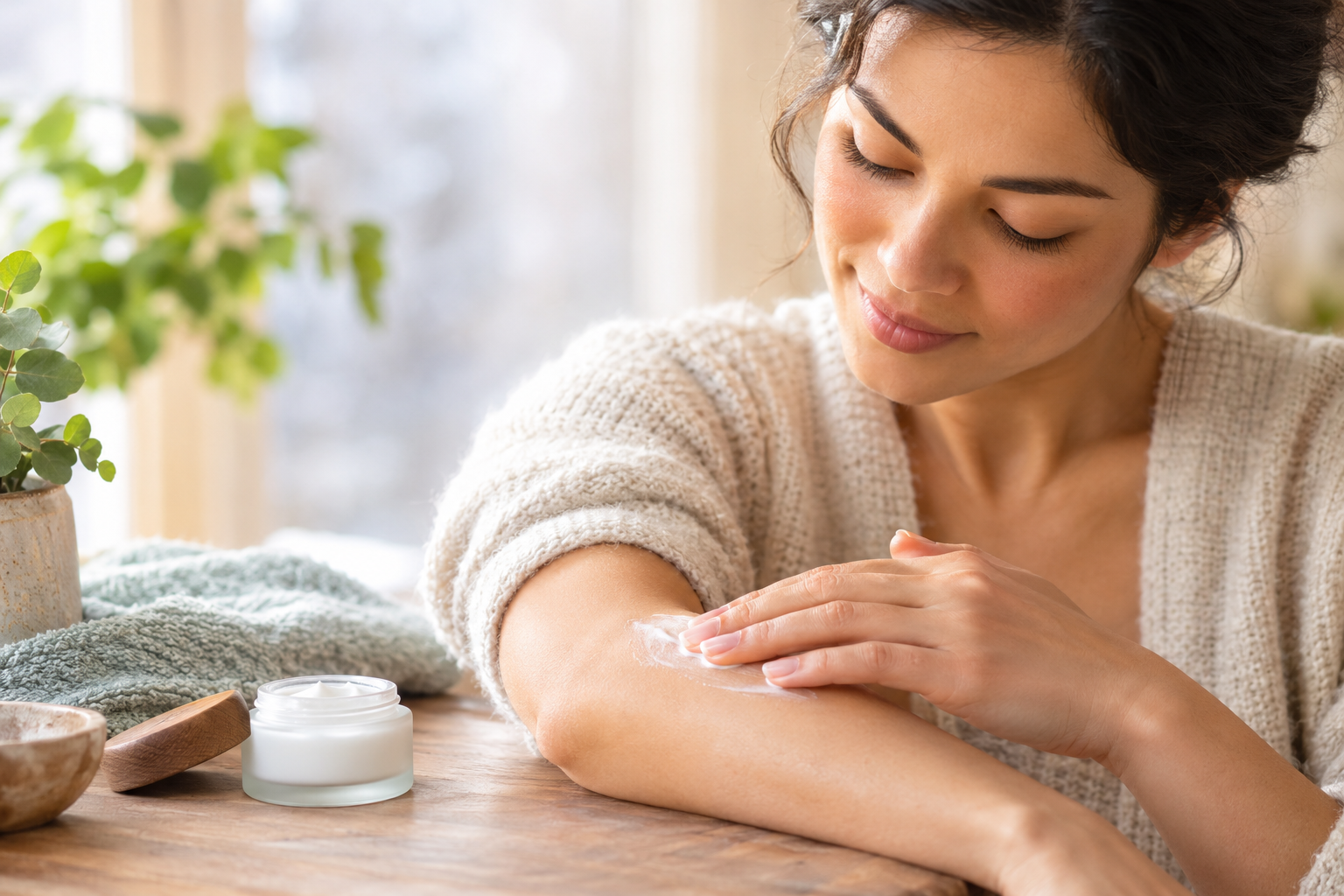
Choose a gentle, fragrance-free cleanser and avoid washing with very hot water. After bathing, gently pat your skin dry and apply a fragrance-free moisturizer while the skin is still slightly damp.
Thicker creams and ointments generally provide more protection against moisture loss than lightweight lotions.
A humidifier may also help when indoor air becomes uncomfortably dry.
These practices do not replace prescribed psoriasis treatments, but they can support skin comfort and help reduce irritation.
2. Consider Gentle Ayurvedic Oil Massage
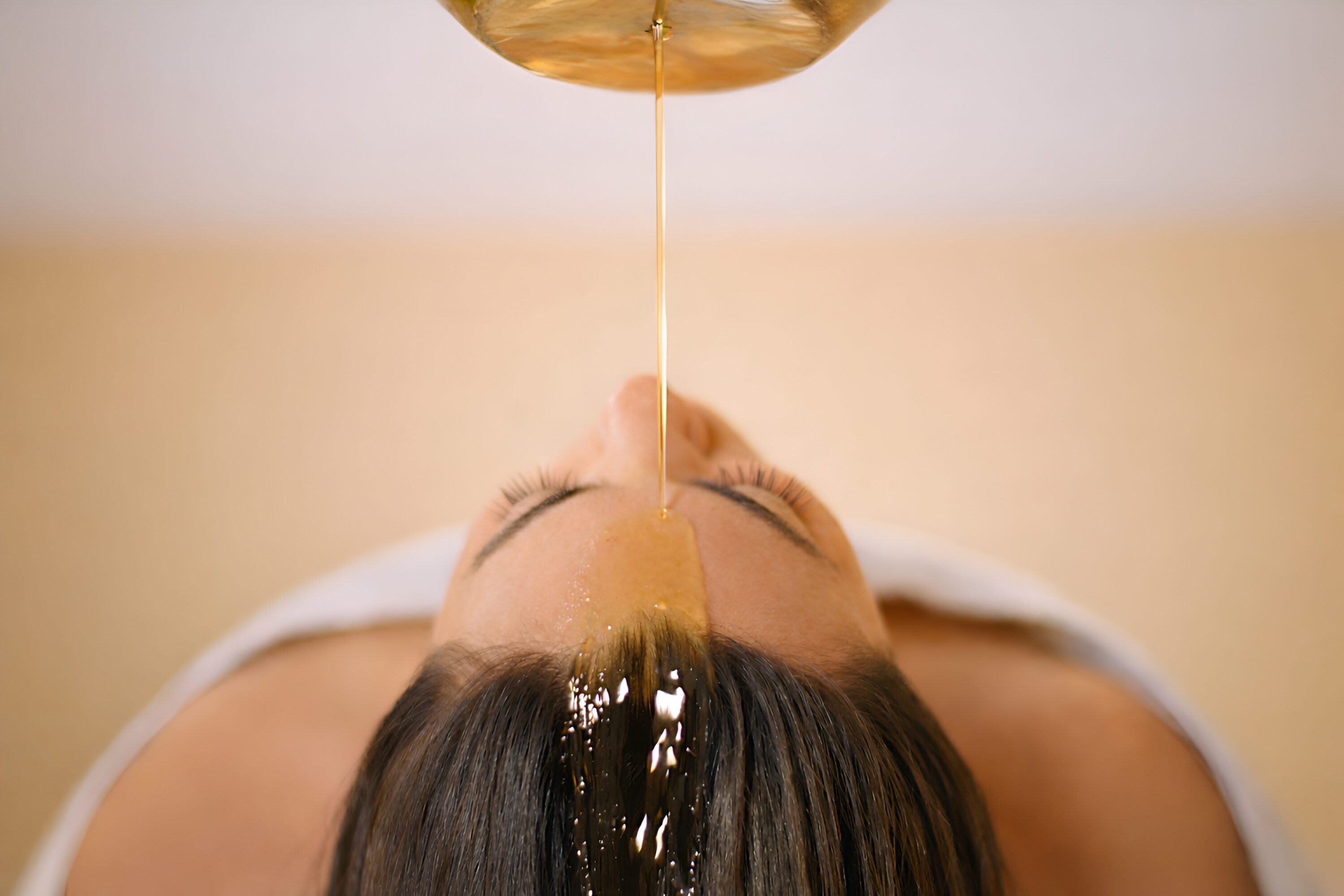
In Ayurveda, abhyanga refers to the traditional practice of applying oil to the body with massage.
Abhyanga is especially associated with balancing Vata and is often included in daily and seasonal routines.
Traditionally, practitioners may recommend different oils depending on a person’s constitution, season, and individual needs.
For someone with psoriasis, however, the skin’s current condition must come first.
Avoid vigorous massage, friction, and the application of unfamiliar oils directly to inflamed, cracked, or bleeding plaques. Some botanical oils and herbal ingredients can cause irritation or allergic reactions, even when marketed as natural.
If you wish to include oil massage in your routine, consult your dermatologist about suitable products and whether massage is appropriate for your skin.
Fragrance-free moisturizers remain an important foundation of psoriasis skin care.
3. Make Stress Management Part of Your Routine
Stress is one of the most commonly reported psoriasis triggers.
Living with a chronic skin condition can itself be stressful, particularly when symptoms affect sleep, social activities, or personal comfort. This can create a difficult cycle in which stress and symptoms reinforce each other.
Ayurveda places considerable importance on balancing activity with rest.
Meditation, gentle yoga, breathing practices, and regular periods of quiet can offer ways to manage everyday stress.
For those who practice Transcendental Meditation, maintaining a consistent practice may be a valuable part of a broader stress-management routine.
Although stress reduction can support overall well-being, meditation and yoga have not been established as cures for psoriasis. They are best viewed as complementary practices alongside appropriate medical care.
4. Maintain Regular Sleep and Meal Times
Ayurveda places great importance on dinacharya, or daily routine.
Regular times for sleeping, waking, and eating are considered especially helpful for balancing Vata.
You do not need to adopt an elaborate schedule to benefit from greater consistency.
Begin with a realistic bedtime, allow enough time for adequate sleep, and try to eat meals at reasonably predictable times.
If your routine becomes irregular during travel or busy periods, return to a manageable rhythm when possible.
This approach may support stress management and general health, although it has not been proven to prevent psoriasis flare-ups directly.
What Does Ayurveda Recommend Eating for Psoriasis?
Diet is an important part of traditional Ayurvedic wellness guidance, but there is no single scientifically established diet that controls psoriasis for everyone.
Ayurveda generally recommends adapting food choices to the individual’s constitution, digestion, current imbalances, and season.
When Pitta-related qualities are prominent, traditional recommendations may emphasize sweet, bitter, and astringent tastes while moderating foods considered excessively heating.
In Ayurveda, sweet does not simply mean sugar or desserts. Naturally sweet foods such as grains, cooked squash, and certain fruits may be included. Bitter and astringent tastes are found in many vegetables, leafy greens, and other plant foods.
Choose Nourishing, Balanced Meals
A practical approach is to build meals around vegetables, fruit, whole grains, suitable protein sources, and healthy fats.
Warm, freshly prepared meals may be particularly comfortable during cold weather.
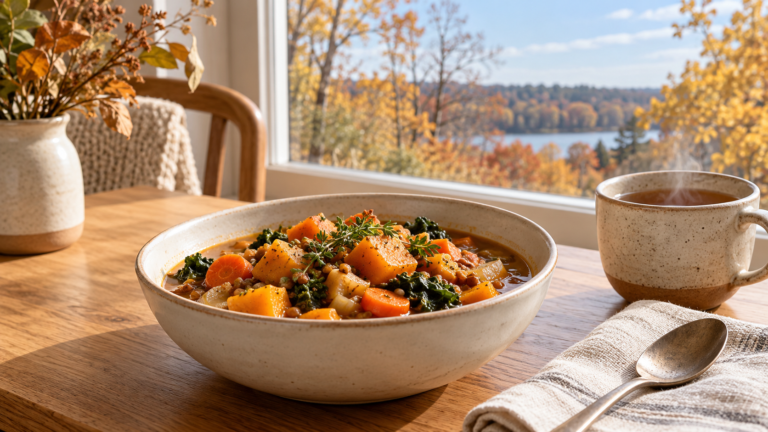
For example, a lunch of cooked vegetables, whole grains, and a protein source can provide nourishment while fitting into a traditional Ayurvedic preference for a substantial midday meal.
A lighter evening meal, such as a vegetable soup with enough protein and other nutrients, may also suit some people.
These choices are intended to support general well-being, not to serve as a medical treatment for psoriasis.
Do Certain Foods Make Psoriasis Worse?
The original Ayurvedic recommendations advise avoiding several categories of food, including sour, salty, pungent, fermented, and highly processed foods.
These reflect a particular traditional dietary approach, but they should not be interpreted as universal medical restrictions for psoriasis.
There is insufficient evidence that eliminating all citrus fruits, yogurt, dairy products, gluten, spicy foods, or particular food combinations will improve psoriasis in everyone.
The American Academy of Dermatology’s dietary guidance emphasizes a healthy, balanced eating pattern and individualized recommendations. Certain dietary interventions may benefit selected people, but they are not appropriate for everyone.
If you suspect a particular food affects your symptoms, consider keeping a food and symptom journal and discussing your observations with a qualified healthcare professional.
Avoid overly restrictive diets that could compromise your nutrition.
How Can Daily Routines Help During Seasonal Transitions?
According to Ayurveda, seasonal transitions are important times to reassess how daily habits support health.
The practices that feel comfortable in summer may need adjustment when colder, drier weather arrives.
Rather than making dramatic changes all at once, focus on a few dependable habits.
In the morning, wake at a consistent time, care for your skin, and choose a breakfast that provides adequate nourishment. If you enjoy meditation, this can be a natural time to establish a quiet routine.
During the day, maintain regular meals, drink enough fluids, and include comfortable physical movement. Walking, gentle yoga, or another suitable activity may help support overall well-being.
In the evening, avoid unnecessarily hot showers, moisturize your skin, and create time to unwind. Aim for a consistent bedtime that allows you to get enough sleep.
Seasonal self-care works best when it is realistic enough to maintain.
The aim is not to create a complicated list of rules, but to establish a comfortable routine that supports both physical health and peace of mind.
What About Castor Oil and Panchakarma?
Traditional Ayurveda includes purification practices intended to support balance and rejuvenation. Two subjects discussed in relation to psoriasis are castor oil and Panchakarma.
It is important to distinguish their traditional uses from what has been established through modern clinical research.
Is Castor Oil Helpful for Psoriasis?
Castor oil has a long history of use in traditional medicine, including as a laxative.
However, there is no established clinical evidence that taking castor oil internally removes toxins from skin tissues or prevents psoriasis flare-ups.
Oral castor oil is a stimulant laxative that can cause abdominal cramping, diarrhea, and dehydration. It is particularly inappropriate during pregnancy and may be unsafe with certain medical conditions or medications.
Castor oil should not be used as an at-home psoriasis purification treatment.
Topical castor oil has not been established as a treatment for psoriasis either, and some people may develop irritation or an allergic skin reaction.
For routine skin moisture, dermatologist-recommended fragrance-free creams and ointments are generally more appropriate.
What Is the Ayurvedic Perspective on Panchakarma?
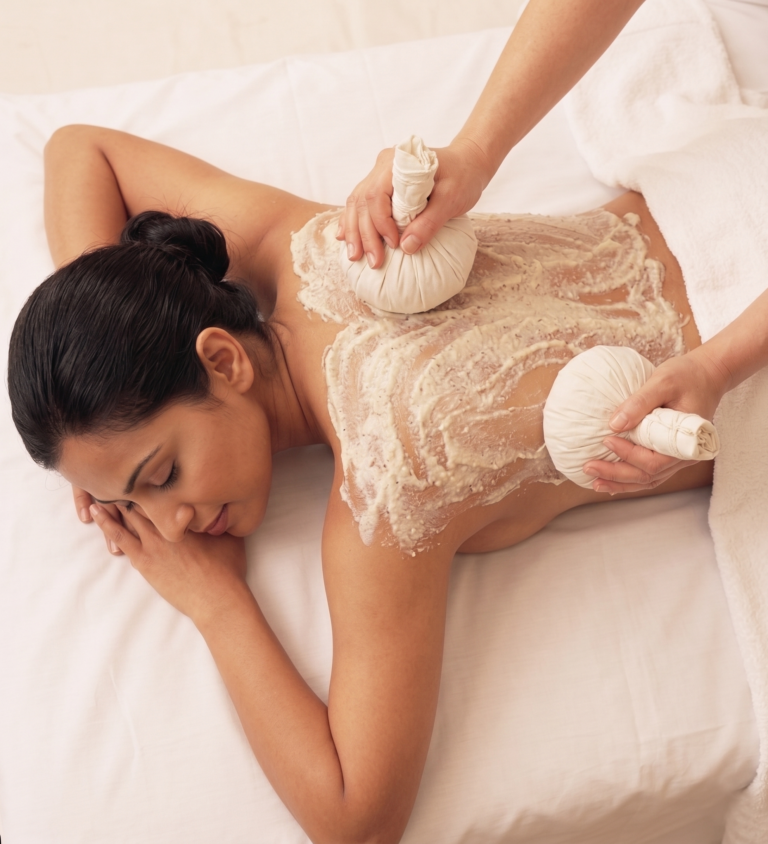
Panchakarma is a traditional Ayurvedic program involving individualized purification and rejuvenation practices.
Classical Ayurveda places particular importance on seasonal transitions, when changes in the environment may call for adjustments to diet, daily routine, and traditional therapeutic practices.
Depending on the individual, a Panchakarma program may include consultations, specialized treatments, dietary guidance, rest, and recommendations for maintaining balance after the program.
At The Raj, Panchakarma is based on Maharishi Ayurveda and individualized according to each guest’s constitution and current needs.
While some studies have explored traditional Ayurvedic interventions for psoriasis, the available clinical evidence remains limited. Panchakarma has not been established as a treatment that cures psoriasis or reliably prevents flare-ups.
People with psoriasis should discuss the suitability of particular therapies with their dermatologist and Ayurvedic practitioner, especially when they have active skin inflammation, other medical conditions, or are taking prescription medications.
Panchakarma should complement, rather than replace, appropriate medical care.
When Should You Seek Medical Care?
Self-care can be helpful, but psoriasis sometimes requires changes in medical treatment.
If your symptoms are spreading, becoming painful, interfering with sleep, or not responding to your current treatment, contact your dermatologist.
It is also important to pay attention to your joints.
Some people with psoriasis develop psoriatic arthritis, an inflammatory condition that can cause joint pain, swelling, stiffness, or tenderness. Not everyone with psoriasis develops this condition.
Persistent joint symptoms deserve prompt medical evaluation because untreated psoriatic arthritis can cause permanent joint damage.
Rapidly worsening, widespread painful redness, especially with fever or significant illness, requires urgent medical attention.
An individualized approach works best when traditional wellness practices and appropriate medical treatment support each other.
Personalized Ayurvedic Wellness at The Raj
For those interested in exploring Ayurveda more deeply, individualized guidance can provide a clearer understanding of traditional recommendations for constitution, seasonal routines, diet, and overall well-being.
At The Raj Ayurveda Health Center, established in 1993 in Fairfield, Iowa, known as The Ayurveda Capital of America, guests experience an authentic approach to Maharishi Ayurveda.
Our traditional Ayurvedic consultations include pulse assessment, a method used in Ayurveda to evaluate constitution and patterns of imbalance. These consultations guide personalized wellness recommendations and are not intended to diagnose psoriasis or replace medical evaluation.
For individuals interested in a more comprehensive experience, The Raj offers personalized Panchakarma retreats that combine traditional therapies, rest, nourishing meals, and Ayurvedic lifestyle guidance.
Explore our Ayurvedic consultations or learn about our Panchakarma retreat options.
To discuss whether an Ayurvedic wellness program may be appropriate for you, call The Raj at 1-800-864-8714.
Frequently Asked Questions
Can Ayurveda cure psoriasis naturally?
There is currently no established cure for psoriasis, and there is insufficient high-quality clinical evidence to conclude that Ayurvedic treatments cure the condition. Ayurveda offers traditional approaches to diet, routine, stress management, and individualized wellness that some people may choose to explore alongside medical treatment.
Is psoriasis caused by a Pitta or Vata imbalance?
In traditional Ayurvedic theory, psoriasis-related symptoms may be interpreted through patterns involving Pitta, Vata, and sometimes Kapha. However, psoriasis is medically understood as an immune-mediated inflammatory condition, and dosha imbalances have not been scientifically established as its cause.
Does psoriasis always get worse in winter?
No. Cold, dry weather can trigger flare-ups in some individuals, but psoriasis symptoms vary. Some people experience more difficulty in other seasons or during periods of stress, illness, or medication changes.
Should people with psoriasis avoid dairy or gluten?
Not necessarily. There is no universal recommendation to eliminate dairy or gluten solely because someone has psoriasis. A gluten-free diet may be appropriate for people with celiac disease or certain forms of gluten sensitivity, but unnecessary restrictions can make it harder to maintain balanced nutrition.
Can oil massage make psoriasis worse?
It can, particularly if massage causes friction over inflamed plaques or if an oil contains irritating ingredients. Gentle moisturizing is helpful for many people with psoriasis, but massage and botanical oils are not appropriate for every skin condition. Consult your dermatologist before applying unfamiliar products to affected areas.
Can Panchakarma help prevent psoriasis flare-ups?
Panchakarma is a traditional Ayurvedic practice intended to support purification and overall balance. Its effectiveness for preventing psoriasis flare-ups has not been established through high-quality clinical trials. Any program should be individualized and coordinated with appropriate medical care.
Medical note: This article provides educational information about traditional Ayurveda and general psoriasis care. It is not intended to diagnose, treat, or replace medical care for psoriasis or psoriatic arthritis. Consult your healthcare professional before making changes to prescribed treatment or beginning new herbs, supplements, or purification practices.